MindfuHealthy Lunchbox Ideas for School-Age Childrenl Growth
A nutritious lunch helps children stay energized, focused, and ready to learn throughout the school day. Discover practical lunchbox ideas that combine variety, balance, and convenience.
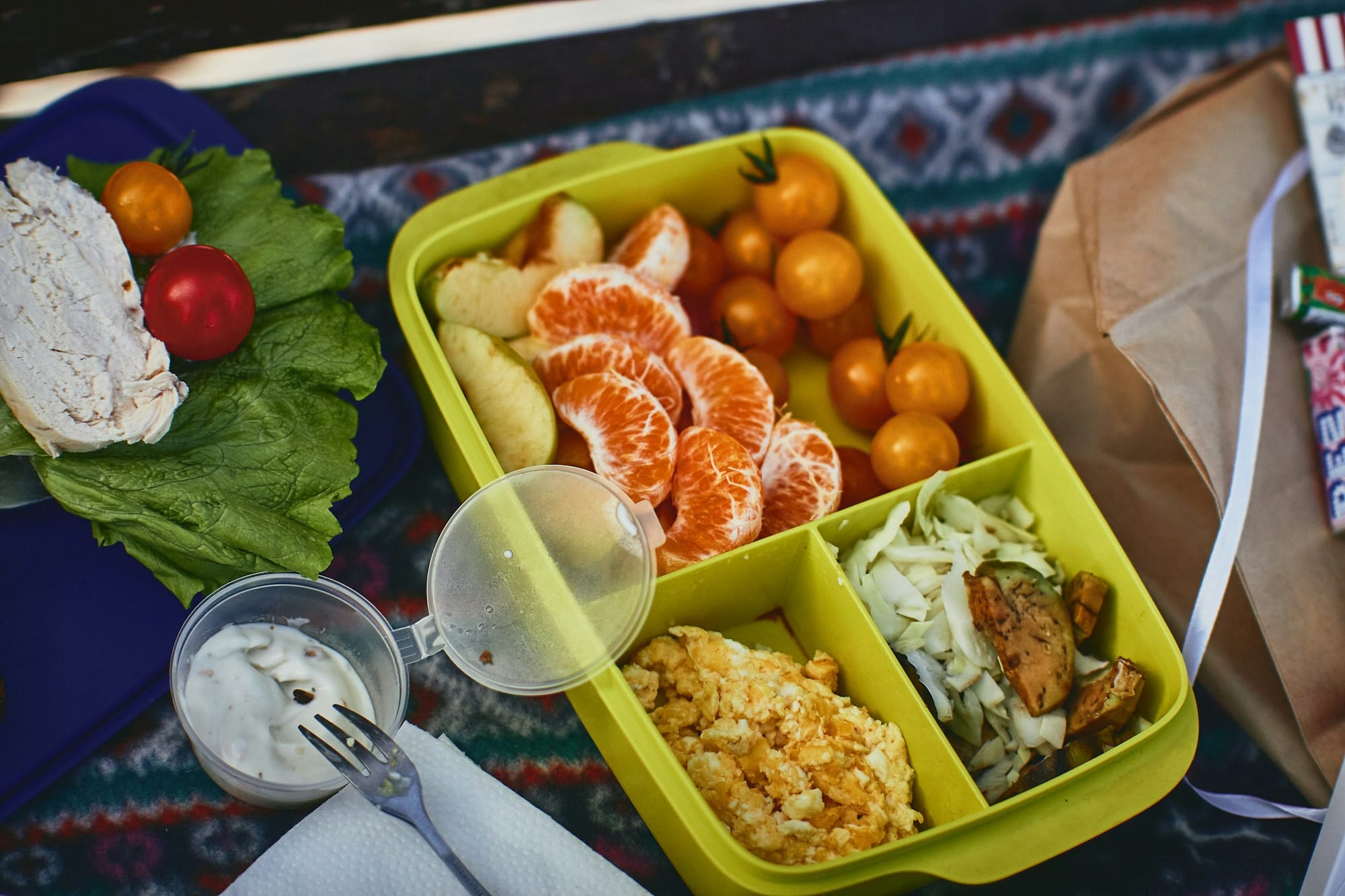
School days are often busy and active. Between lessons, physical activities, social interactions, and learning experiences, children need regular nourishment to stay energized and focused.
A well-balanced lunch can help provide the nutrients children need to support concentration, physical activity, and overall wellbeing. However, creating lunchboxes that are both nutritious and appealing can sometimes feel challenging for parents.
The good news is that healthy lunches do not need to be complicated. With a little planning and variety, families can create balanced meals that children enjoy eating.
Why a Healthy Lunch Matters
Lunch provides important fuel during the middle of the day.
A balanced lunch can help support:
- Energy levels
- Concentration
- Learning
- Physical activity
- Mood and wellbeing
Including a variety of foods helps children stay satisfied and ready to participate in school activities.
Building a Balanced Lunchbox
A simple approach is to include foods from several food groups.
A balanced lunchbox may contain:
Whole Grains
Whole grains provide lasting energy and fiber.
Examples include:
- Whole wheat bread
- Whole grain wraps
- Brown rice
- Whole grain crackers
- Pasta salads
Protein Foods
Protein helps support growth and keeps children feeling satisfied.
Examples include:
- Eggs
- Beans
- Lentils
- Chicken
- Tuna
- Cheese
- Yogurt
Fruits and Vegetables
Fresh produce provides vitamins, minerals, and fiber.
Examples include:
- Apple slices
- Grapes
- Strawberries
- Cucumber sticks
- Carrot sticks
- Bell pepper slices
Water
Including a reusable water bottle encourages hydration throughout the day.
Easy Lunchbox Combination Ideas
Sandwich and Fruit
- Whole grain sandwich
- Apple slices
- Yogurt
- Water
Wrap and Vegetables
- Whole wheat wrap with protein filling
- Cucumber sticks
- Grapes
- Water
Pasta Lunch
- Whole grain pasta salad
- Cherry tomatoes
- Cheese cubes
- Fruit
- Water
Rice and Vegetables
- Rice-based meal
- Fresh vegetables
- Fruit
- Water
These combinations provide variety while supporting balanced nutrition.
Add Color and Variety
Colorful lunchboxes often feel more appealing to children.
Different colors frequently represent different nutrients and flavors.
Consider including:
- Red strawberries
- Orange carrots
- Yellow peppers
- Green cucumbers
- Purple grapes
Variety can make lunches more interesting while encouraging children to try different foods.
Involve Children in Planning
Children are often more enthusiastic about lunches when they help choose the contents.
Age-appropriate involvement might include:
- Selecting fruits
- Choosing vegetables
- Picking between healthy options
- Helping prepare ingredients
Participation can increase interest and reduce food waste.
Keep Portions Realistic
Lunches do not need to be oversized.
Children's appetites vary depending on age, activity level, and individual needs.
Packing manageable portions can help avoid overwhelm while allowing children to eat comfortably during limited lunch periods.
Preparing Lunches Efficiently
Busy mornings become easier with a little preparation.
Helpful strategies include:
- Washing produce in advance
- Preparing ingredients the night before
- Using reusable containers
- Planning lunches for several days
Simple preparation routines can save time while reducing daily stress.
Encourage Positive Attitudes Toward Food
Lunchboxes should support a healthy relationship with food.
Instead of labeling foods as "good" or "bad," focus on balance, variety, and enjoyment.
Children benefit from learning that healthy eating involves flexibility and a wide range of foods.
Positive experiences often encourage healthier habits over time.
What to Do When Children Reject Foods
Many children go through phases of selective eating.
If a child consistently avoids certain foods:
- Continue offering them occasionally
- Avoid pressure
- Introduce small portions
- Pair new foods with familiar favorites
Repeated exposure often helps children become more comfortable with new options.
Making Lunches Enjoyable
Healthy lunches do not need to be perfect.
The goal is to provide nourishing foods that support children's growth, learning, and wellbeing while fitting realistically into family routines.
Small improvements made consistently often have the greatest impact.
Related Reading
- Understanding Balanced Nutrition for Kids
- Creating Healthy Daily Routines for Children
- Helping Kids Develop Lifelong Healthy Habits
Conclusion
A balanced lunch can help children stay energized, focused, and ready to learn throughout the school day.
By including a variety of foods, encouraging participation, and focusing on practical solutions, parents can create lunchboxes that support both nutrition and enjoyment.
Healthy eating habits often begin with small everyday choices, and lunchtime provides a valuable opportunity to help children develop those habits.

About Michael Thompson
Michael covers family wellbeing, healthy routines, nutrition awareness, and positive lifestyle habits that support children's growth and development.
Related Articles
View Directory →