Outdoor Activities That Benefit Physical Development
Outdoor play encourages movement, exploration, and healthy growth. Discover activities that help children develop strength, coordination, balance, and confidence while enjoying time outside.
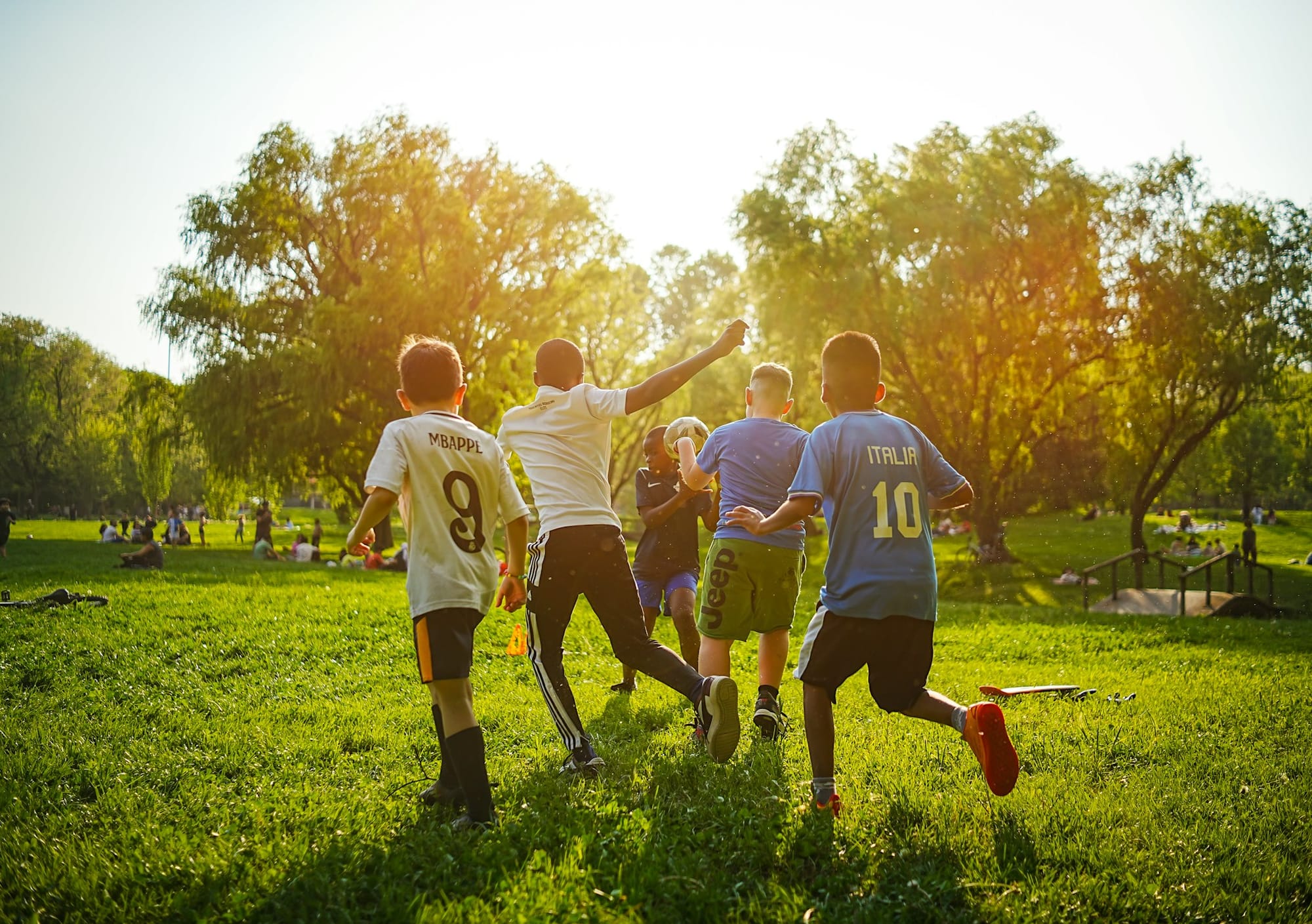
Childhood is a time of movement, discovery, and exploration. Running across a field, climbing a playground structure, riding a bicycle, or simply playing a game of tag provides more than entertainment. These experiences help children develop important physical skills that support healthy growth and overall wellbeing.
In today's busy world, outdoor play remains one of the most effective ways to encourage physical activity while allowing children to connect with nature and engage their curiosity.
The best part is that outdoor activities do not need to be complicated. Simple opportunities for movement can make a meaningful difference in a child's development.
Why Physical Development Matters
Physical development involves the growth and strengthening of the body, including muscles, bones, coordination, balance, and motor skills.
Strong physical development helps children:
- Move confidently
- Participate in activities
- Develop coordination
- Improve balance
- Build strength
- Support overall health
These skills contribute to both physical wellbeing and self-confidence.
The Benefits of Outdoor Play
Outdoor environments provide space and freedom for children to move in ways that may not always be possible indoors.
Outdoor play encourages:
- Running
- Jumping
- Climbing
- Balancing
- Throwing
- Catching
These movements help strengthen muscles while improving coordination and body awareness.
Outdoor experiences can also support emotional wellbeing and social development.
Walking and Nature Exploration
Walking is one of the simplest outdoor activities available to families.
Nature walks encourage children to:
- Build endurance
- Improve coordination
- Observe their surroundings
- Explore new environments
Walking together also provides opportunities for conversation, curiosity, and family connection.
Even short walks can contribute to daily physical activity.
Playground Activities
Playgrounds offer a variety of opportunities for movement and skill development.
Children can practice:
- Climbing
- Swinging
- Balancing
- Jumping
- Sliding
These activities help strengthen both large muscle groups and coordination skills.
Playgrounds also encourage problem-solving as children navigate different equipment and challenges.
Bike Riding
Learning to ride a bicycle is a milestone for many children.
Bike riding supports:
- Balance
- Coordination
- Leg strength
- Confidence
- Independence
Family bike rides can also encourage outdoor exploration and physical activity while creating enjoyable shared experiences.
Ball Games
Simple ball games help children develop a variety of physical skills.
Examples include:
- Catch
- Kicking games
- Throwing challenges
- Target games
These activities support:
- Hand-eye coordination
- Timing
- Reaction skills
- Motor development
Children often enjoy these games because they combine movement with fun and friendly challenges.
Obstacle Courses
Homemade obstacle courses encourage creativity and active play.
Children can:
- Crawl under objects
- Jump over markers
- Balance along lines
- Weave around obstacles
Obstacle courses support coordination, balance, agility, and problem-solving.
They can be adapted for different ages and abilities using simple household or outdoor materials.
Active Outdoor Games
Traditional outdoor games remain valuable opportunities for physical activity.
Examples include:
- Tag
- Hide-and-seek
- Relay races
- Scavenger hunts
These activities encourage movement while supporting social interaction and teamwork.
Children often stay engaged because the focus remains on fun rather than structured exercise.
Exploring Natural Environments
Natural spaces provide unique opportunities for movement and discovery.
Activities may include:
- Hiking trails
- Beach walks
- Forest exploration
- Garden activities
- Nature scavenger hunts
Uneven surfaces and varied environments encourage children to develop balance, coordination, and adaptability.
Supporting Confidence Through Movement
Physical activity helps children develop confidence in their abilities.
As children master new skills, they often gain:
- Independence
- Self-belief
- Persistence
- Resilience
Celebrating effort and progress encourages children to continue exploring new activities and challenges.
Making Outdoor Time Part of Everyday Life
Outdoor play does not need to involve special events or extensive planning.
Simple routines can make a significant difference.
Ideas include:
- After-school park visits
- Evening family walks
- Weekend nature outings
- Outdoor free play
Consistency often matters more than duration.
Regular opportunities for movement help children develop healthy habits over time.
Creating Positive Experiences
Children are more likely to stay active when physical activity feels enjoyable.
Focus on:
- Exploration
- Fun
- Family participation
- Variety
- Encouragement
Positive experiences help children develop a lifelong appreciation for movement and active living.
Related Reading
- Family Wellness Habits That Support Growth
- Creating Healthy Daily Routines for Children
- Helping Kids Develop Lifelong Healthy Habits
Conclusion
Outdoor activities provide valuable opportunities for children to develop strength, coordination, balance, and confidence while enjoying the natural world around them.
Whether through playground adventures, bike rides, family walks, or imaginative outdoor games, regular movement supports healthy physical development and overall wellbeing.
By making outdoor play a regular part of family life, parents can help children build healthy habits that support growth, learning, and lifelong wellness.

About Michael Thompson
Michael covers family wellbeing, healthy routines, nutrition awareness, and positive lifestyle habits that support children's growth and development.
Related Articles
View Directory →