Understanding Emotional Milestones in Early Childhood
Emotional development is an important part of early childhood. Learn about common emotional milestones and how parents can support healthy emotional growth.
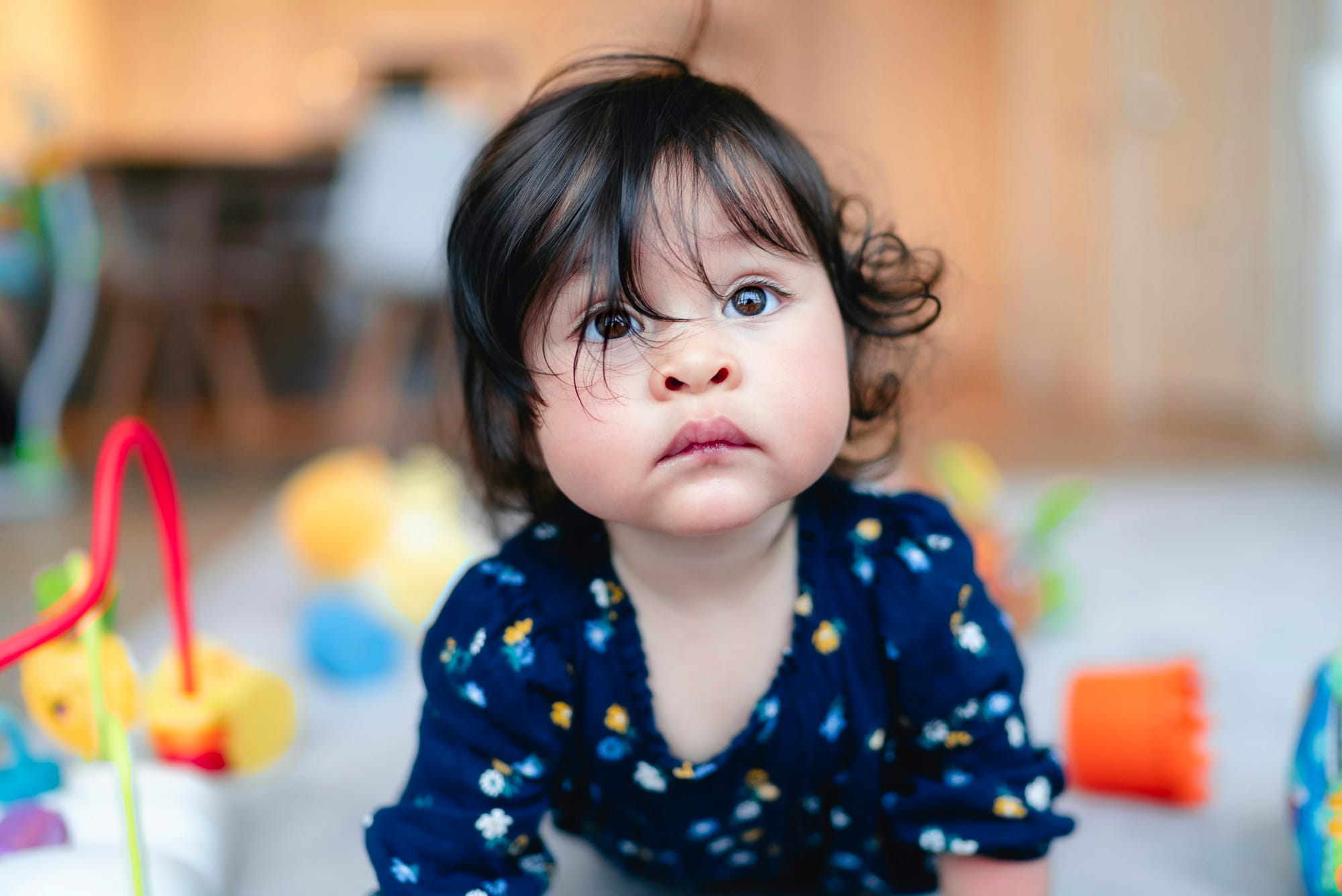
Children experience remarkable growth during their early years. While physical milestones such as walking and talking often receive the most attention, emotional development is equally important.
From learning to express feelings to building relationships and developing empathy, emotional growth lays the foundation for lifelong wellbeing. Understanding common emotional milestones can help parents support their children with confidence and realistic expectations.
Every child develops at their own pace, but recognizing typical patterns can provide valuable insight into how emotional skills emerge over time.
What Are Emotional Milestones?
Emotional milestones are developmental achievements that reflect a child's growing ability to understand, express, and manage emotions.
These milestones include skills such as:
- Recognizing emotions
- Expressing feelings appropriately
- Developing self-awareness
- Building relationships
- Learning empathy
- Managing frustration
- Practicing self-regulation
Like all aspects of development, emotional growth occurs gradually through everyday experiences and interactions.
Emotional Development in Infancy (0–12 Months)
During the first year of life, babies begin forming strong emotional connections with caregivers.
Common milestones include:
- Responding to familiar voices and faces
- Smiling socially
- Expressing comfort and discomfort
- Seeking reassurance from caregivers
- Showing excitement during interactions
Consistent and responsive caregiving helps infants develop a sense of trust and security.
When caregivers respond to a baby's needs with warmth and attention, children begin learning that the world is a safe and supportive place.
Emotional Development in Toddlers (1–3 Years)
Toddlerhood brings significant emotional growth.
As children become more independent, they begin expressing a wider range of emotions while still developing the skills needed to manage them.
Common milestones include:
- Expressing joy, frustration, excitement, and disappointment
- Showing preferences and opinions
- Seeking comfort from trusted adults
- Beginning to recognize emotions in others
- Developing early self-awareness
This stage often includes emotional outbursts because toddlers are still learning how to communicate and regulate strong feelings.
Patience and guidance help children gradually build emotional understanding.
Emotional Development in Preschool Years (3–5 Years)
During the preschool years, children begin developing greater emotional awareness and social understanding.
Many children start to:
- Name basic emotions
- Understand simple emotional causes
- Show empathy toward others
- Participate in cooperative play
- Develop friendships
- Follow simple social rules
While emotional regulation continues to develop, preschoolers often become better able to express feelings using words rather than actions.
This is an ideal time to encourage emotional vocabulary and problem-solving skills.
Learning Emotional Regulation
One of the most important emotional milestones is self-regulation.
Self-regulation refers to a child's ability to manage emotions, behaviors, and reactions in different situations.
This skill develops gradually and requires ongoing support.
Children learn emotional regulation through:
- Observation
- Practice
- Guidance from caregivers
- Consistent routines
- Positive relationships
Young children often borrow emotional regulation from trusted adults before developing it independently.
How Parents Can Support Emotional Growth
Parents play a central role in helping children develop emotional skills.
Validate Feelings
Children benefit from knowing their emotions are understood.
Instead of dismissing feelings, acknowledge them.
For example:
"You seem disappointed that playtime is over."
This helps children feel heard while building emotional awareness.
Teach Emotional Vocabulary
Children who can identify emotions often find it easier to express them appropriately.
Use everyday situations to introduce words such as:
- Happy
- Excited
- Nervous
- Frustrated
- Proud
- Disappointed
Expanding emotional vocabulary helps children communicate more effectively.
Model Healthy Emotional Expression
Children learn by observing adults.
When parents demonstrate healthy ways to manage emotions, children gain practical examples they can apply themselves.
Simple statements such as:
"I'm feeling frustrated, so I'm going to take a few deep breaths."
can provide valuable learning opportunities.
Encourage Problem-Solving
As children grow, involve them in finding solutions to challenges.
Questions such as:
- What happened?
- How do you feel?
- What could we try next?
help children build confidence and resilience.
Supporting Emotional Growth Through Play
Play provides opportunities for children to explore emotions in a safe environment.
Pretend play, storytelling, art, and cooperative games can help children:
- Express feelings
- Practice empathy
- Explore social situations
- Develop communication skills
Through play, children often process experiences and strengthen emotional understanding.
When Development Looks Different
Every child develops at their own pace.
Some children may be naturally expressive, while others take more time to communicate emotions.
Differences in temperament, personality, experiences, and environment can all influence emotional development.
Rather than comparing children to others, it is often more helpful to focus on individual progress and growth over time.
Building a Strong Emotional Foundation
Emotional milestones are not achieved overnight. They develop gradually through relationships, experiences, and everyday interactions.
By creating a supportive environment, responding with empathy, and encouraging emotional expression, parents can help children build skills that contribute to confidence, healthy relationships, and lifelong wellbeing.
Related Reading
- Helping Children Build Emotional Resilience
- Managing Big Feelings: A Guide for Parents
- Positive Communication Techniques for Parents
Conclusion
Emotional development is an essential part of childhood growth. From the earliest months of life through the preschool years, children are constantly learning about emotions, relationships, and self-awareness.
By understanding common emotional milestones and providing consistent support, parents can help children develop the emotional skills needed to navigate life's challenges with confidence and resilience.

About Emily Carter
Dr. Emily Carter writes about child development, emotional wellbeing, and practical parenting strategies. Her work focuses on helping families understand developmental milestones and build healthy parent-child relationships.
Related Articles
View Directory →