Creative Activities That Encourage Problem Solving
Creative activities help children think critically, explore solutions, and develop confidence in their ability to overcome challenges. Discover engaging ways to build problem-solving skills through play and creativity.
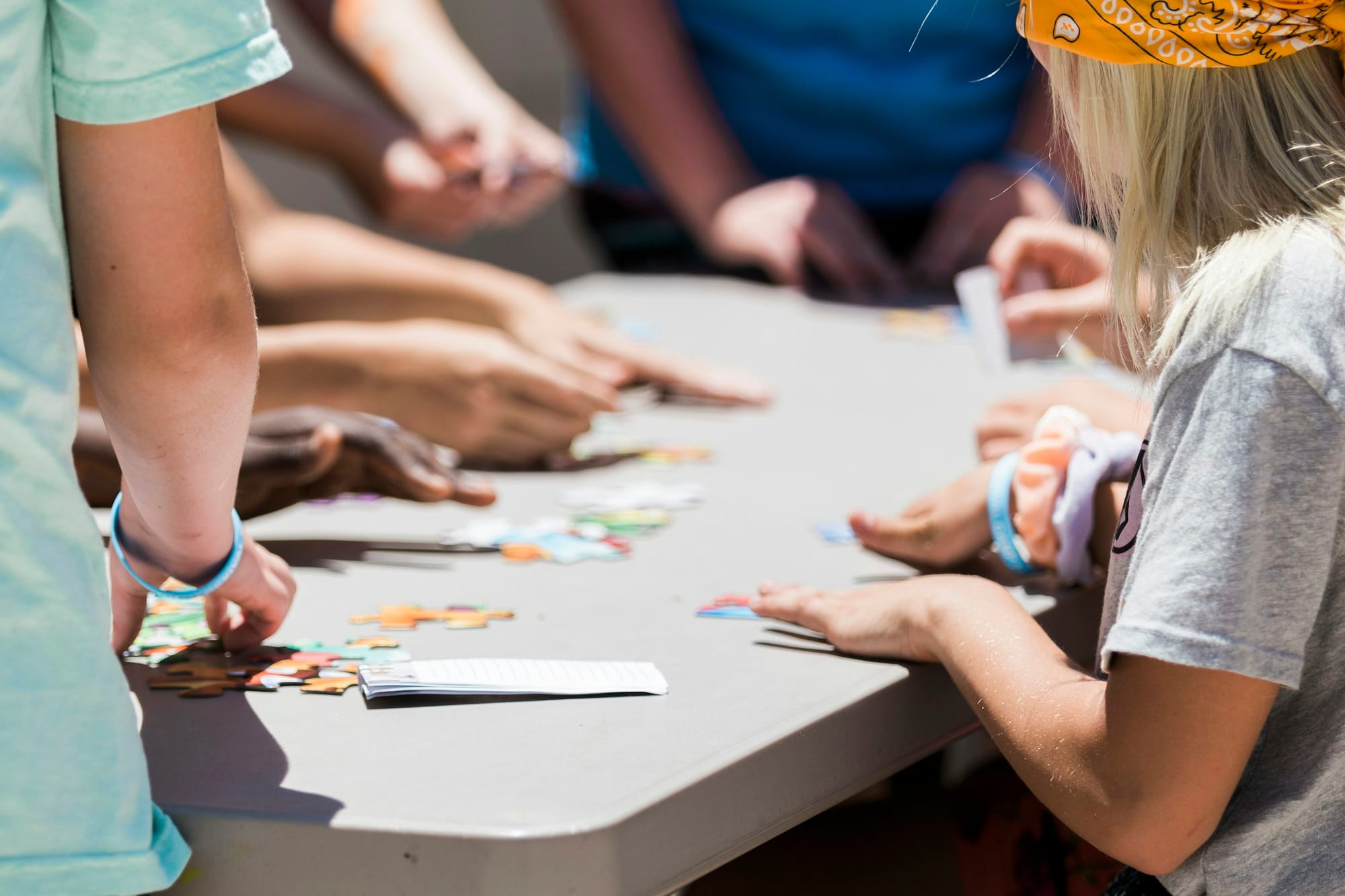
Problem-solving is one of the most valuable skills children can develop. Every day, children encounter situations that require them to think critically, make decisions, and find solutions. Whether figuring out how to build a stable block tower, complete a puzzle, or work through a disagreement with a friend, these experiences help strengthen important cognitive skills.
Creative activities provide a natural and enjoyable way for children to practice problem-solving. Unlike activities with predetermined outcomes, creative experiences often encourage experimentation, exploration, and flexible thinking.
By providing opportunities for creative play, parents and educators can help children develop confidence in their ability to tackle challenges and discover solutions independently.
Why Problem-Solving Skills Matter
Problem-solving involves more than finding the right answer.
Children who practice problem-solving learn how to:
- Analyze situations
- Think critically
- Make decisions
- Adapt to challenges
- Test different ideas
- Learn from mistakes
- Build persistence
These skills support success in learning, relationships, and everyday life.
Developing problem-solving abilities early can help children approach future challenges with confidence and curiosity.
The Connection Between Creativity and Problem Solving
Creativity and problem-solving often work together.
Creative thinking encourages children to:
- Explore multiple solutions
- Experiment with ideas
- View challenges from different perspectives
- Adapt when plans change
When children are given freedom to create, they learn that there is often more than one way to approach a challenge.
This flexible thinking is a key component of effective problem-solving.
Building Challenges with Blocks
Building activities encourage children to think strategically while having fun.
Children might explore questions such as:
- How can I make this tower taller?
- Why did it fall down?
- What can I change?
Through trial and error, children learn about balance, structure, and persistence.
Building projects also encourage planning and creative thinking.
Puzzle Activities
Puzzles are excellent tools for developing problem-solving skills.
As children work through puzzles, they practice:
- Observation
- Logical thinking
- Pattern recognition
- Patience
- Concentration
Completing puzzles also provides a sense of accomplishment that builds confidence.
Choose puzzles that are appropriately challenging without becoming frustrating.
Open-Ended Art Projects
Creative art activities encourage children to make decisions and explore ideas independently.
Examples include:
- Painting
- Drawing
- Collage making
- Clay modeling
- Craft projects
Rather than focusing on a specific outcome, encourage children to experiment and express their ideas freely.
Open-ended projects promote creativity while strengthening decision-making skills.
Pretend Play and Problem Solving
Imaginative play naturally presents opportunities for problem-solving.
A child pretending to run a restaurant, build a spaceship, or organize a rescue mission must make decisions and adapt to changing scenarios.
Pretend play encourages:
- Planning
- Communication
- Creativity
- Flexibility
- Collaboration
These experiences help children practice solving challenges in a playful environment.
Nature Exploration
Outdoor experiences often inspire curiosity and investigation.
Activities might include:
- Building a stick shelter
- Creating nature art
- Following a trail map
- Observing insects
- Collecting natural materials
Nature exploration encourages children to ask questions, test ideas, and learn through discovery.
These experiences help develop observation and critical thinking skills.
STEM-Inspired Activities
Simple science, technology, engineering, and mathematics activities can provide engaging opportunities for problem-solving.
Examples include:
- Building bridges from household materials
- Creating paper airplanes
- Testing floating and sinking objects
- Designing marble runs
- Constructing simple structures
Children learn through experimentation while developing persistence and analytical thinking.
Board Games and Strategy Games
Many games encourage children to think ahead, make decisions, and adapt strategies.
Benefits include:
- Planning
- Turn-taking
- Decision-making
- Logical reasoning
- Patience
Games also provide opportunities to learn how to handle both success and disappointment.
Encourage Questions Instead of Answers
One of the most effective ways to support problem-solving is to avoid providing immediate solutions.
Instead, ask questions such as:
- What do you think might work?
- What could you try next?
- Why do you think that happened?
- Is there another way to do it?
These conversations encourage independent thinking and help children develop confidence in their abilities.
Celebrate Effort and Persistence
Problem-solving often involves mistakes and setbacks.
Children benefit when adults recognize effort rather than focusing only on outcomes.
Praise statements such as:
"You kept trying different ideas until you found a solution."
help reinforce persistence and resilience.
This mindset encourages children to view challenges as opportunities for learning.
Creating a Problem-Solving Mindset
Children develop strong problem-solving skills when they are given opportunities to explore, experiment, and think independently.
Creative activities provide an ideal environment for this growth because they encourage curiosity, flexibility, and innovation.
By supporting creative exploration, parents can help children develop skills that will serve them throughout their lives.
Related Reading
- How Play-Based Learning Supports Early Education
- Supporting Healthy Brain Development Through Play
- The Value of Curiosity in Childhood Learning
Conclusion
Problem-solving is not a skill that develops overnight. It grows through practice, exploration, and everyday experiences.
Creative activities give children opportunities to experiment, make decisions, overcome challenges, and build confidence in their abilities.
By encouraging creativity and curiosity, parents can help children develop the problem-solving skills needed for learning, growth, and lifelong success.

About Sarah Mitchell
Sarah specializes in learning, creativity, and modern educational approaches. She enjoys translating educational research into practical ideas parents can apply at home.
Related Articles
View Directory →