Supporting Healthy Brain Development Through Play
Play is much more than entertainment. Discover how play supports brain development, learning, creativity, and emotional growth throughout childhood.
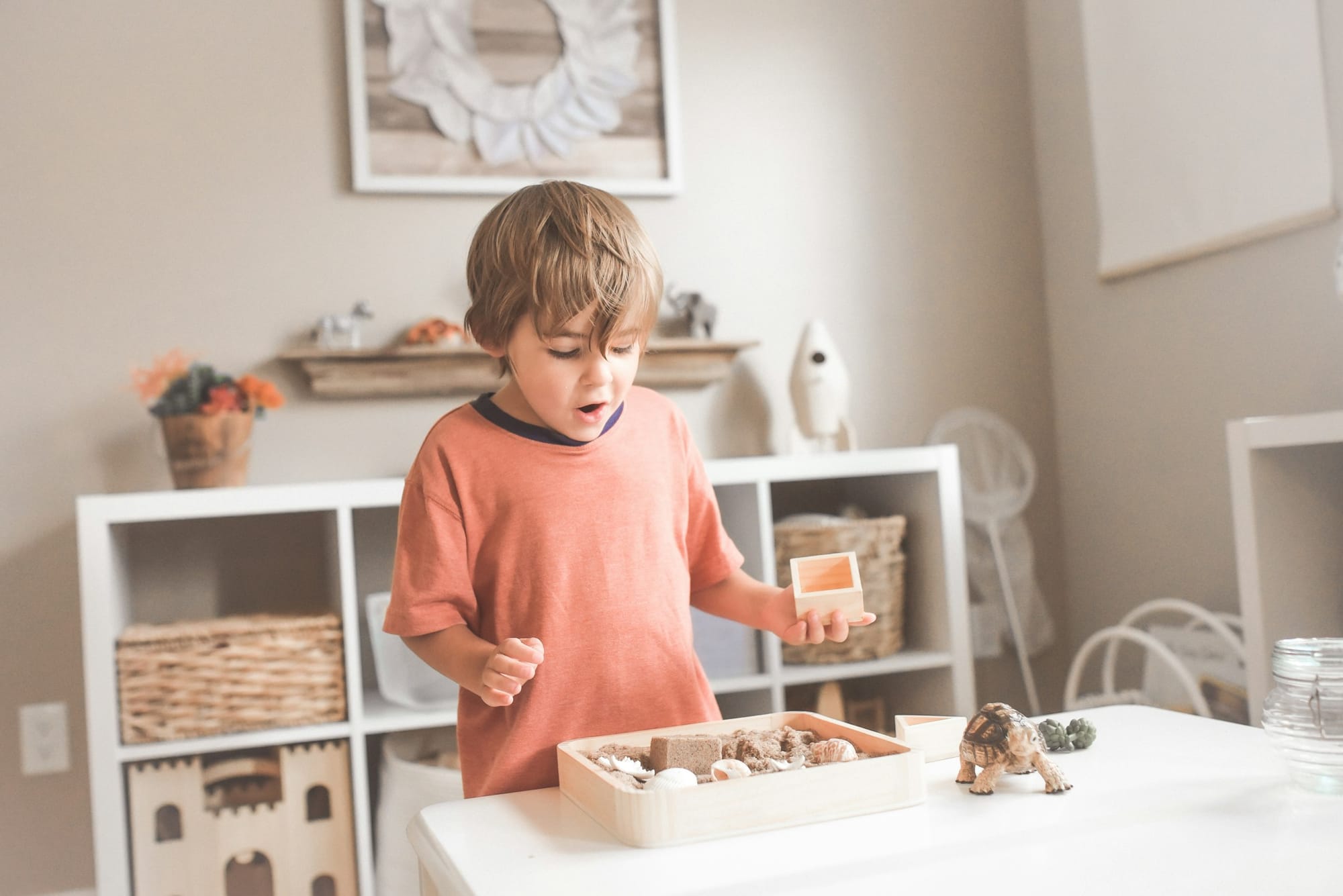
For children, play is far more than a way to pass the time. It is one of the most important ways they explore the world, develop new skills, and make sense of their experiences.
Whether building with blocks, pretending to run a restaurant, drawing pictures, or playing outdoors with friends, children are actively learning through play. These experiences support brain development in ways that influence learning, creativity, emotional wellbeing, and social skills.
Understanding the value of play can help parents create opportunities that encourage healthy growth while allowing children to enjoy the natural joy of childhood.
Why Play Matters
Children learn best when they are actively engaged.
Play provides opportunities to:
- Explore new ideas
- Solve problems
- Practice communication
- Build relationships
- Develop creativity
- Strengthen physical skills
- Express emotions
Unlike structured lessons, play allows children to experiment, make mistakes, and learn through experience.
This freedom encourages curiosity and supports important developmental processes.
How Play Supports Brain Development
The brain develops rapidly during childhood.
Every experience contributes to the formation and strengthening of neural connections that support learning and development.
Play helps stimulate these connections by encouraging children to:
- Think creatively
- Make decisions
- Remember information
- Adapt to new situations
- Understand cause and effect
As children engage in different forms of play, they strengthen cognitive skills that support future learning.
The Power of Imaginative Play
Pretend play is one of the most valuable forms of childhood play.
When children imagine themselves as doctors, teachers, astronauts, or chefs, they are doing much more than acting out stories.
Imaginative play helps children:
- Develop language skills
- Practice problem-solving
- Explore social situations
- Build empathy
- Strengthen creativity
Through role-playing, children learn to see situations from different perspectives and experiment with ideas in a safe environment.
Building Problem-Solving Skills Through Play
Many play experiences naturally involve challenges.
A tower falls over. A puzzle piece doesn't fit. A game requires a new strategy.
These moments encourage children to:
- Think critically
- Test solutions
- Adapt their approach
- Persist through difficulties
Rather than providing immediate answers, allowing children time to explore solutions independently can strengthen confidence and resilience.
Social Development Through Play
Play often provides children with their first opportunities to navigate relationships with peers.
During group play, children practice:
- Taking turns
- Sharing
- Listening
- Cooperation
- Conflict resolution
- Communication
These experiences help children develop important social skills that contribute to healthy relationships throughout life.
Even simple games can provide valuable opportunities for social learning.
Physical Play and Brain Growth
Movement and brain development are closely connected.
Active play supports physical health while also benefiting cognitive development.
Examples include:
- Running
- Jumping
- Climbing
- Dancing
- Riding a bicycle
- Playing ball games
Physical activity helps children develop coordination, balance, body awareness, and confidence.
Outdoor play also provides opportunities for exploration and sensory experiences that support learning.
Creative Activities Support Flexible Thinking
Creative play encourages children to think in new and imaginative ways.
Activities such as:
- Drawing
- Painting
- Building
- Crafting
- Storytelling
- Music
allow children to experiment, make decisions, and express ideas.
There is often no single "correct" outcome in creative activities, which encourages flexible thinking and innovation.
The Importance of Unstructured Play
While organized activities can be valuable, children also benefit from unstructured play.
Unstructured play allows children to:
- Follow their interests
- Make independent choices
- Develop initiative
- Explore curiosity
- Practice self-directed learning
These experiences encourage independence and creativity while giving children opportunities to lead their own learning.
Sometimes the simplest activities create the richest developmental experiences.
Creating Opportunities for Meaningful Play
Parents do not need expensive toys or elaborate setups to support play.
Many valuable play experiences can happen through everyday activities.
Consider:
- Building with household materials
- Reading stories together
- Exploring nature
- Playing board games
- Creating art projects
- Engaging in pretend play
The goal is not to provide constant entertainment but to create opportunities for exploration and discovery.
Balancing Activities and Free Time
Modern family schedules can become busy with school, sports, lessons, and structured activities.
While these experiences have benefits, children also need time to play freely.
A balanced schedule allows children to:
- Relax
- Explore interests
- Process experiences
- Develop creativity
- Strengthen problem-solving skills
Protecting time for play is an investment in healthy development.
Supporting Play Through Connection
One of the most meaningful ways parents can support play is by occasionally joining in.
This does not mean directing activities or controlling outcomes.
Instead, it involves:
- Showing interest
- Following the child's lead
- Asking open-ended questions
- Encouraging creativity
- Sharing enjoyment
These moments strengthen relationships while creating positive learning experiences.
Related Reading
- How Play-Based Learning Supports Early Education
- Helping Children Build Emotional Resilience
- Encouraging Creativity Through Everyday Activities
Conclusion
Play is one of childhood's most powerful learning tools. Through play, children develop cognitive skills, social understanding, emotional awareness, creativity, and confidence.
By providing opportunities for both structured and unstructured play, parents can support healthy brain development while nurturing curiosity and a lifelong love of learning.
Sometimes what looks like simple play is actually some of the most important work a child can do.

About Emily Carter
Dr. Emily Carter writes about child development, emotional wellbeing, and practical parenting strategies. Her work focuses on helping families understand developmental milestones and build healthy parent-child relationships.
Related Articles
View Directory →