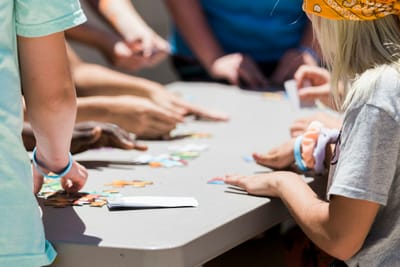
How Play-Based Learning Supports Early Education
Play-based learning helps children develop critical thinking, creativity, communication, and social skills while making learning engaging and meaningful.
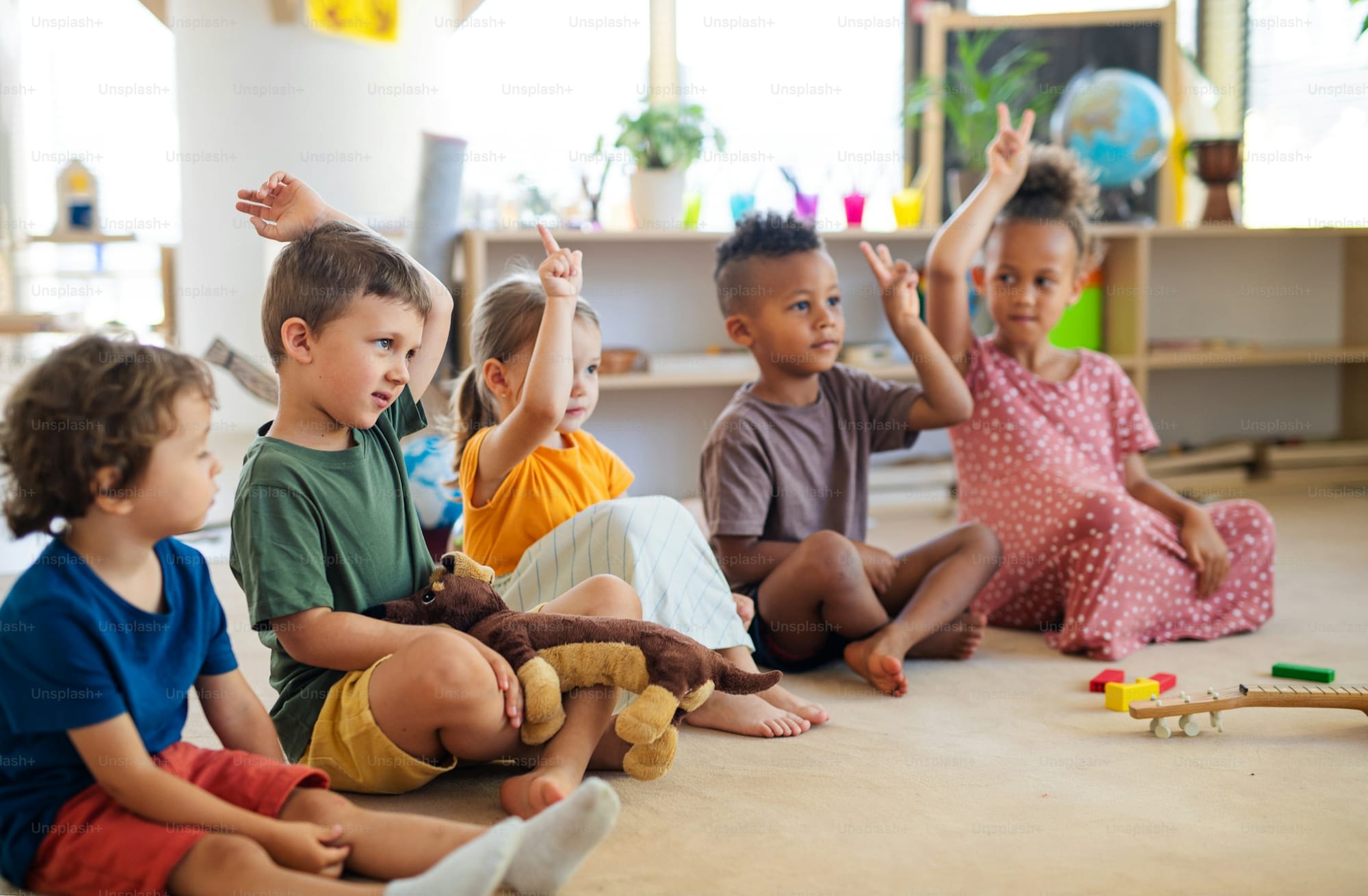
Children are naturally curious. They explore, question, experiment, and imagine long before they enter a classroom. Play-based learning builds on this natural curiosity by creating opportunities for children to learn through hands-on experiences, exploration, and meaningful interaction.
Rather than separating learning from play, this educational approach recognizes that play is one of the most effective ways young children develop knowledge and skills.
Today, many early childhood educators and parents embrace play-based learning because it supports academic readiness while also nurturing creativity, confidence, and social development.
What Is Play-Based Learning?
Play-based learning is an educational approach that uses play as a central part of the learning process.
Children engage in activities that are enjoyable, meaningful, and developmentally appropriate while building important skills and understanding.
Examples include:
- Building with blocks
- Pretend play
- Storytelling
- Art activities
- Outdoor exploration
- Puzzles and games
- Music and movement
These experiences encourage active participation rather than passive learning.
Why Play Is Important for Learning
Young children learn best when they are actively involved.
Play allows children to:
- Explore ideas
- Test theories
- Solve problems
- Develop communication skills
- Build relationships
- Practice decision-making
Because play feels enjoyable and self-directed, children are often more motivated to engage and learn.
This natural engagement creates opportunities for deeper understanding and longer-lasting learning.
Building Language and Communication Skills
Play provides countless opportunities for conversation and communication.
During pretend play, children often:
- Create stories
- Ask questions
- Explain ideas
- Negotiate roles
- Practice new vocabulary
For example, a child pretending to run a grocery store may use language related to shopping, counting, and customer interactions.
These experiences strengthen speaking, listening, and comprehension skills in meaningful ways.
Supporting Problem-Solving and Critical Thinking
Play frequently presents challenges that encourage children to think critically.
Examples include:
- Building a stable tower
- Completing a puzzle
- Creating a game with rules
- Finding solutions during pretend play
Through these experiences, children learn how to:
- Analyze situations
- Experiment with ideas
- Adapt strategies
- Persist through challenges
These problem-solving skills support future learning across many subjects.
Encouraging Creativity and Imagination
Creativity is an important part of childhood development.
Play encourages children to imagine possibilities, create stories, and explore ideas without fear of making mistakes.
Activities such as:
- Drawing
- Building
- Dramatic play
- Storytelling
allow children to express themselves while developing flexible thinking skills.
Creative experiences also help children approach challenges with curiosity and confidence.
Social and Emotional Benefits
Play often involves interaction with others.
Through cooperative activities, children learn:
- Sharing
- Taking turns
- Communication
- Empathy
- Conflict resolution
- Teamwork
These social experiences help children develop emotional awareness and build positive relationships.
Learning how to work with others is an important part of school readiness and lifelong success.
Learning Through Hands-On Experiences
Young children often understand concepts more effectively when they can see, touch, and interact with materials.
Hands-on learning experiences may include:
- Sorting objects
- Measuring ingredients
- Planting seeds
- Building structures
- Exploring nature
These activities help children connect abstract ideas to real-world experiences.
Learning becomes meaningful because children are actively involved in the process.
The Role of Educators and Parents
Play-based learning does not mean the absence of guidance.
Adults play an important role by:
- Providing engaging materials
- Creating safe environments
- Asking thoughtful questions
- Encouraging exploration
- Supporting problem-solving
Rather than directing every activity, adults often act as facilitators who help extend learning opportunities.
Supporting Play-Based Learning at Home
Parents can encourage play-based learning through simple everyday activities.
Ideas include:
- Reading together
- Building with blocks
- Exploring parks and nature trails
- Playing board games
- Creating art projects
- Engaging in pretend play
These experiences provide valuable opportunities for learning while strengthening family connections.
Preparing Children for Future Learning
Play-based learning helps children develop many of the skills needed for future academic success.
Children build:
- Confidence
- Communication skills
- Creativity
- Problem-solving abilities
- Social understanding
- Independence
These foundational skills support learning across all areas of development.
Related Reading
- Supporting Healthy Brain Development Through Play
- The Value of Curiosity in Childhood Learning
- Creative Activities That Encourage Problem Solving
Conclusion
Play-based learning recognizes something important about childhood: children learn best when they are actively engaged, curious, and motivated.
Through play, children develop the cognitive, social, emotional, and creative skills that support lifelong learning.
By valuing play as an essential part of education, parents and educators can help children build a strong foundation for future growth and success.

About Sarah Mitchell
Sarah specializes in learning, creativity, and modern educational approaches. She enjoys translating educational research into practical ideas parents can apply at home.
Related Articles
View Directory →