Encouraging Creativity Through Everyday Activities
Creativity grows through everyday experiences, exploration, and imagination. Discover simple ways parents can encourage creative thinking and self-expression in daily life.
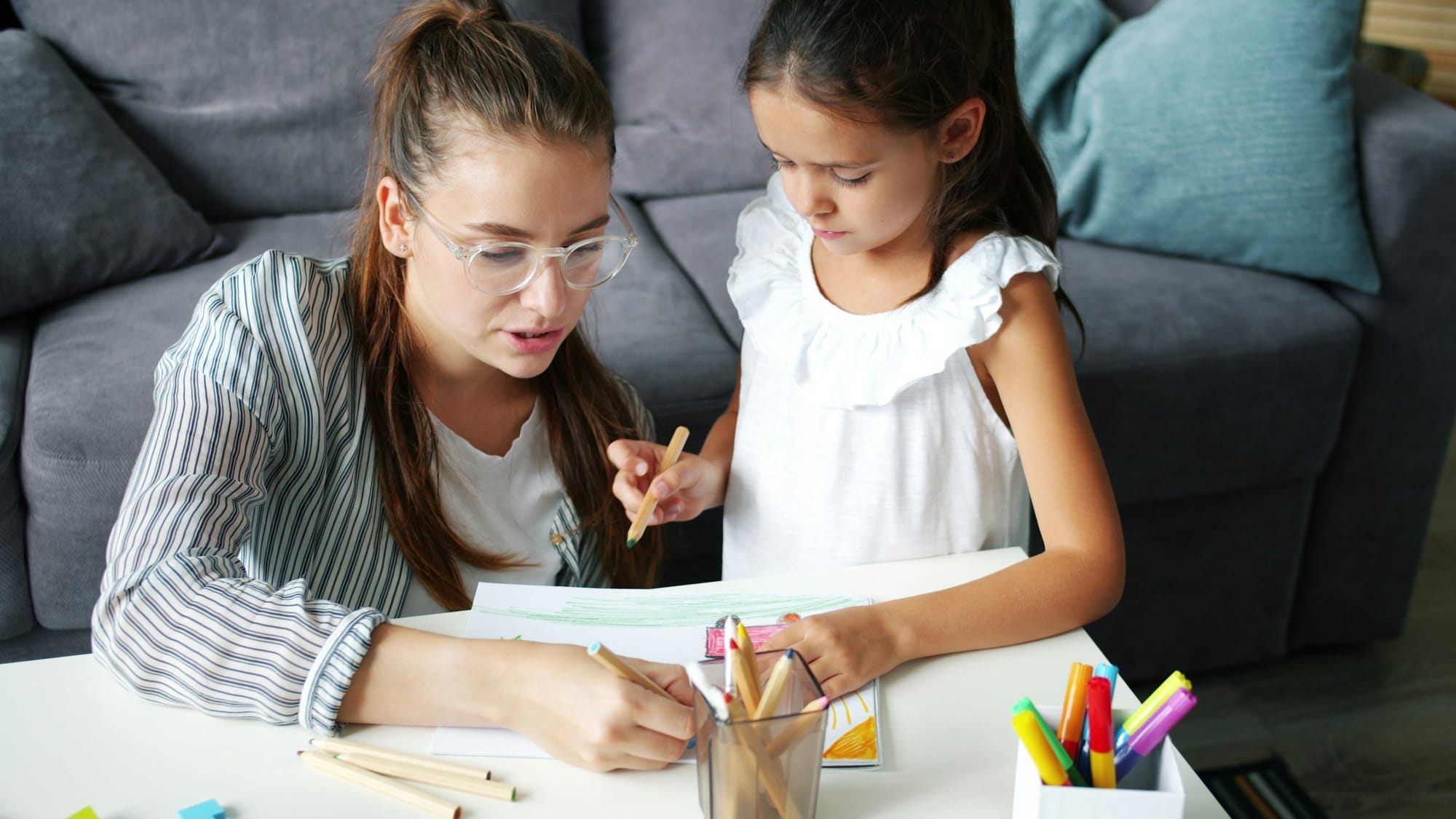
Creativity is often associated with art, music, and imaginative play, but it extends far beyond these activities. Creativity helps children explore ideas, solve problems, express themselves, and approach challenges with confidence.
The good news for parents is that fostering creativity does not require expensive supplies, elaborate projects, or specialized training. Many of the most meaningful opportunities for creative growth happen during ordinary moments throughout the day.
By encouraging exploration, imagination, and curiosity, parents can help children develop creative thinking skills that support learning and personal growth throughout life.
Why Creativity Matters
Creativity plays an important role in child development.
It helps children:
- Express thoughts and feelings
- Explore new ideas
- Develop problem-solving skills
- Build confidence
- Strengthen communication
- Adapt to challenges
- Think independently
Creative thinking supports learning across many areas, including academics, relationships, and everyday decision-making.
Creativity Goes Beyond Art
While drawing and painting are wonderful creative outlets, creativity can appear in many different forms.
Children demonstrate creativity when they:
- Build structures
- Invent games
- Tell stories
- Ask imaginative questions
- Create solutions to problems
- Design projects
- Explore new possibilities
Creativity is about thinking, experimenting, and discovering.
Encourage Open-Ended Play
Open-ended play allows children to use materials in their own unique ways.
Examples include:
- Building blocks
- Cardboard boxes
- Clay
- Art supplies
- Natural materials
Unlike activities with specific instructions, open-ended play encourages children to make decisions, explore ideas, and create independently.
This freedom supports imagination and innovation.
Make Time for Imaginative Play
Pretend play provides valuable opportunities for creative development.
Children may imagine themselves as:
- Teachers
- Doctors
- Explorers
- Chefs
- Scientists
- Superheroes
These experiences encourage storytelling, problem-solving, and perspective-taking.
Imaginative play also helps children explore emotions and social situations in a safe environment.
Encourage Storytelling
Storytelling is a powerful way to develop creativity and communication skills.
Simple activities might include:
- Making up bedtime stories together
- Creating alternate endings to books
- Inventing characters
- Telling stories based on pictures
There are no right or wrong answers, allowing children to freely express their ideas and imagination.
Explore Creative Activities Outdoors
Nature offers endless opportunities for creative exploration.
Children can:
- Build with sticks and leaves
- Create nature art
- Design obstacle courses
- Invent outdoor games
- Observe and sketch wildlife
Outdoor experiences encourage observation, curiosity, and creative thinking while providing opportunities for physical activity.
Welcome Questions and Ideas
Creative thinking often begins with curiosity.
When children ask questions such as:
- What would happen if...?
- Why does this work?
- Could we try it differently?
encourage exploration rather than immediately providing answers.
Open conversations help children develop confidence in their ideas and encourage independent thinking.
Focus on the Process
Adults sometimes focus on finished results, but creativity often develops through the process itself.
Instead of evaluating outcomes, consider comments such as:
"Tell me about what you created."
or
"What inspired this idea?"
These conversations encourage reflection and help children value experimentation and exploration.
Provide Opportunities for Creative Choices
Small choices throughout the day can encourage creative thinking.
Examples include:
- Choosing art materials
- Designing a game
- Planning a family activity
- Creating a simple project
- Decorating a space
Opportunities to make decisions help children develop independence and confidence.
Limit the Fear of Mistakes
Creativity thrives in environments where children feel comfortable experimenting.
When mistakes are viewed as learning opportunities, children become more willing to take creative risks.
Encourage messages such as:
- "Let's see what happens."
- "That's an interesting idea."
- "What could we try next?"
These responses promote curiosity and resilience.
Create a Creativity-Friendly Environment
Children do not need a dedicated art studio to be creative.
Simple resources can inspire exploration, including:
- Books
- Art supplies
- Building materials
- Recycled household items
- Nature collections
- Musical instruments
The goal is to provide opportunities for exploration and self-expression.
The Long-Term Benefits of Creativity
Creative experiences help children develop skills that extend well beyond childhood.
Creativity supports:
- Innovation
- Adaptability
- Confidence
- Problem-solving
- Communication
- Lifelong learning
These qualities can benefit children in school, relationships, future careers, and everyday life.
Related Reading
- Creative Activities That Encourage Problem Solving
- How Play-Based Learning Supports Early Education
- Supporting Healthy Brain Development Through Play
Conclusion
Creativity is not limited to special occasions or artistic projects. It grows through everyday experiences, conversations, exploration, and play.
By encouraging curiosity, welcoming new ideas, and creating opportunities for self-expression, parents can help children develop creative thinking skills that support lifelong learning and growth.
Often, the simplest moments provide the greatest opportunities for imagination and discovery.

About Sarah Mitchell
Sarah specializes in learning, creativity, and modern educational approaches. She enjoys translating educational research into practical ideas parents can apply at home.
Related Articles
View Directory →