Building Reading Habits That Last
A love of reading can open doors to learning, imagination, and lifelong curiosity. Discover practical ways to help children develop strong reading habits from an early age.
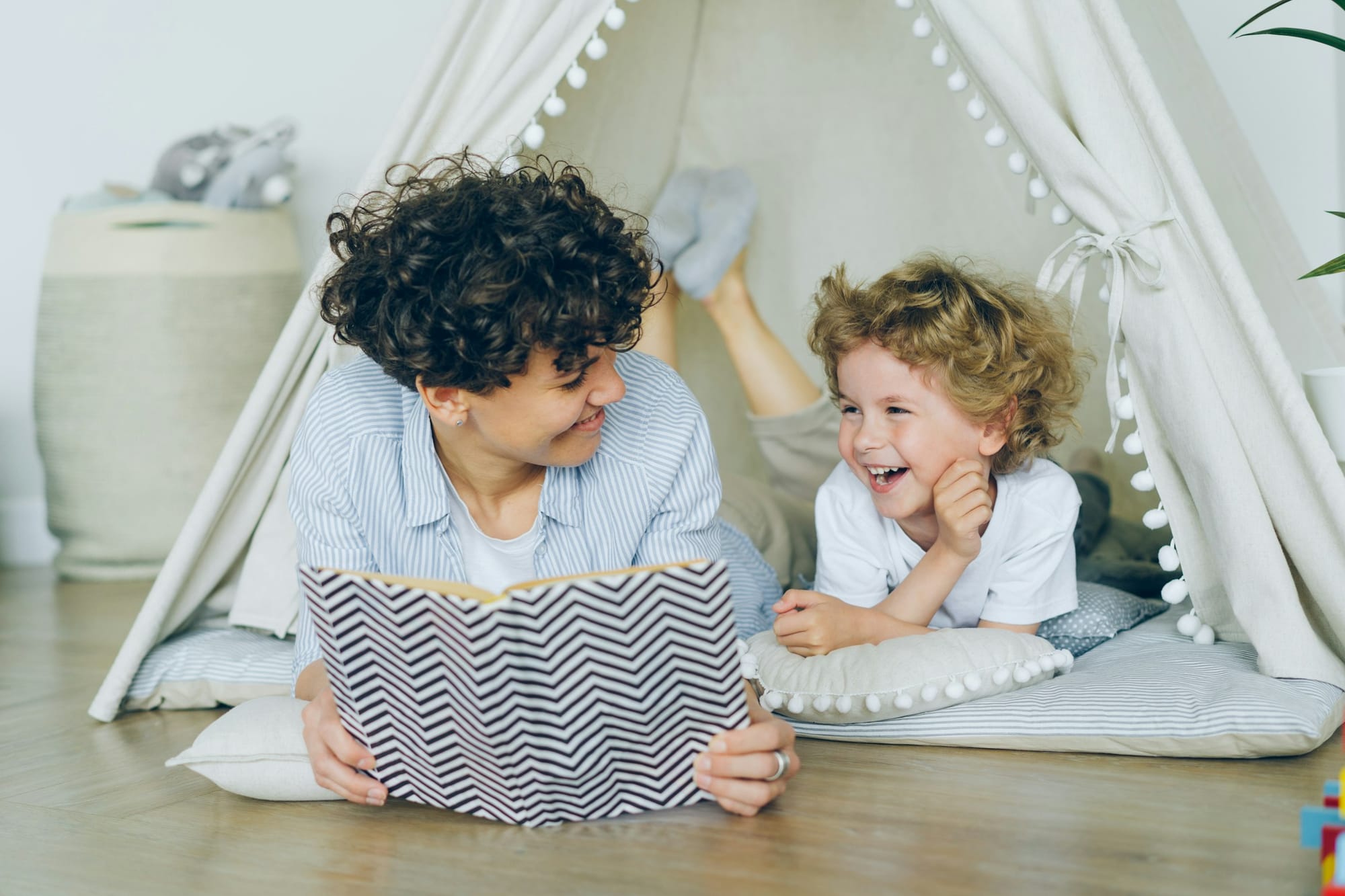
Reading is one of the most valuable skills a child can develop. Beyond supporting academic success, reading introduces children to new ideas, strengthens language skills, encourages creativity, and helps them better understand the world around them.
Yet developing a consistent reading habit does not happen overnight. Like many lifelong habits, it grows gradually through positive experiences, encouragement, and regular practice.
The good news is that helping children enjoy reading does not require complicated strategies. Small, consistent efforts can make a meaningful difference in how children view books and learning.
Why Reading Matters
Reading supports many areas of childhood development.
Regular reading helps children:
- Expand vocabulary
- Improve communication skills
- Strengthen comprehension
- Develop imagination
- Build concentration
- Increase general knowledge
- Enhance critical thinking
Books also expose children to different perspectives, experiences, and ideas, helping them develop empathy and curiosity.
Start Early
A reading habit can begin long before a child learns to read independently.
Reading aloud introduces children to:
- Language patterns
- New vocabulary
- Story structure
- Listening skills
Even young children benefit from hearing stories, looking at pictures, and participating in conversations about books.
These early experiences help create positive associations with reading.
Make Reading Part of Daily Life
Consistency is often more important than duration.
A short reading session each day can be more effective than occasional long sessions.
Simple opportunities include:
- Reading before bedtime
- Sharing a story after school
- Reading during quiet time
- Exploring books on weekends
When reading becomes part of a routine, children begin to see it as a normal and enjoyable activity.
Create a Reading-Friendly Environment
Children are more likely to read when books are easily accessible.
Consider creating a comfortable reading space with:
- Age-appropriate books
- Good lighting
- Comfortable seating
- Minimal distractions
A dedicated reading area does not need to be elaborate. Even a small corner with a basket of books can encourage regular reading.
Let Children Choose Their Books
Choice plays an important role in motivation.
Children are often more excited about reading when they can select books that match their interests.
Popular interests might include:
- Animals
- Space
- Sports
- Adventure
- Nature
- Science
- Fantasy
Allowing children to explore different topics helps them discover what they enjoy most.
Read Together
Shared reading creates valuable opportunities for connection.
Reading together allows parents to:
- Discuss stories
- Answer questions
- Introduce new vocabulary
- Encourage curiosity
These conversations help deepen understanding while making reading a positive family experience.
Even older children often enjoy discussing books with trusted adults.
Be a Reading Role Model
Children pay attention to the habits of the adults around them.
When children see parents reading books, magazines, or newspapers, they learn that reading is a valuable and enjoyable activity.
Simple actions such as:
- Reading during free time
- Talking about books
- Visiting libraries
- Sharing favorite stories
can encourage children to develop similar habits.
Focus on Enjoyment, Not Performance
While reading skills are important, enjoyment should remain a priority.
Avoid turning every reading session into a lesson or assessment.
Instead, focus on:
- Enjoying stories together
- Exploring new ideas
- Asking open-ended questions
- Encouraging curiosity
Positive experiences often lead to stronger long-term reading habits.
Explore Different Types of Reading Materials
Not every child is drawn to traditional storybooks.
Other options include:
- Picture books
- Graphic novels
- Magazines
- Poetry
- Nonfiction books
- Audiobooks
Providing variety helps children discover formats that match their interests and learning styles.
Visit Libraries and Bookstores
Libraries offer opportunities to explore a wide range of books without requiring a purchase.
Regular visits can:
- Introduce new topics
- Encourage independent choices
- Build excitement around reading
- Create positive family traditions
Bookstores and community reading events can also inspire interest in books and storytelling.
Celebrate Progress
Reading confidence grows through encouragement and practice.
Celebrate milestones such as:
- Finishing a book
- Trying a new genre
- Reading independently
- Sharing a favorite story
Recognition helps children feel proud of their efforts and motivates continued growth.
Building a Lifelong Love of Reading
Strong reading habits are not built through pressure or strict requirements.
They develop when children associate reading with enjoyment, curiosity, and discovery.
By providing access to books, creating positive experiences, and modeling a love of reading, parents can help children develop habits that benefit them for years to come.
Related Reading
- How Play-Based Learning Supports Early Education
- The Value of Curiosity in Childhood Learning
- Encouraging Creativity Through Everyday Activities
Conclusion
Reading opens doors to learning, imagination, and personal growth. Whether through bedtime stories, library visits, or independent reading time, every positive reading experience contributes to a child's development.
By making books a regular part of family life and encouraging children to explore topics they enjoy, parents can help nurture a lasting love of reading that extends far beyond childhood.

About Sarah Mitchell
Sarah specializes in learning, creativity, and modern educational approaches. She enjoys translating educational research into practical ideas parents can apply at home.
Related Articles
View Directory →