Positive Communication Techniques for Parents
Effective communication helps children feel understood, respected, and supported. Learn practical techniques that strengthen parent-child relationships and encourage meaningful conversations.
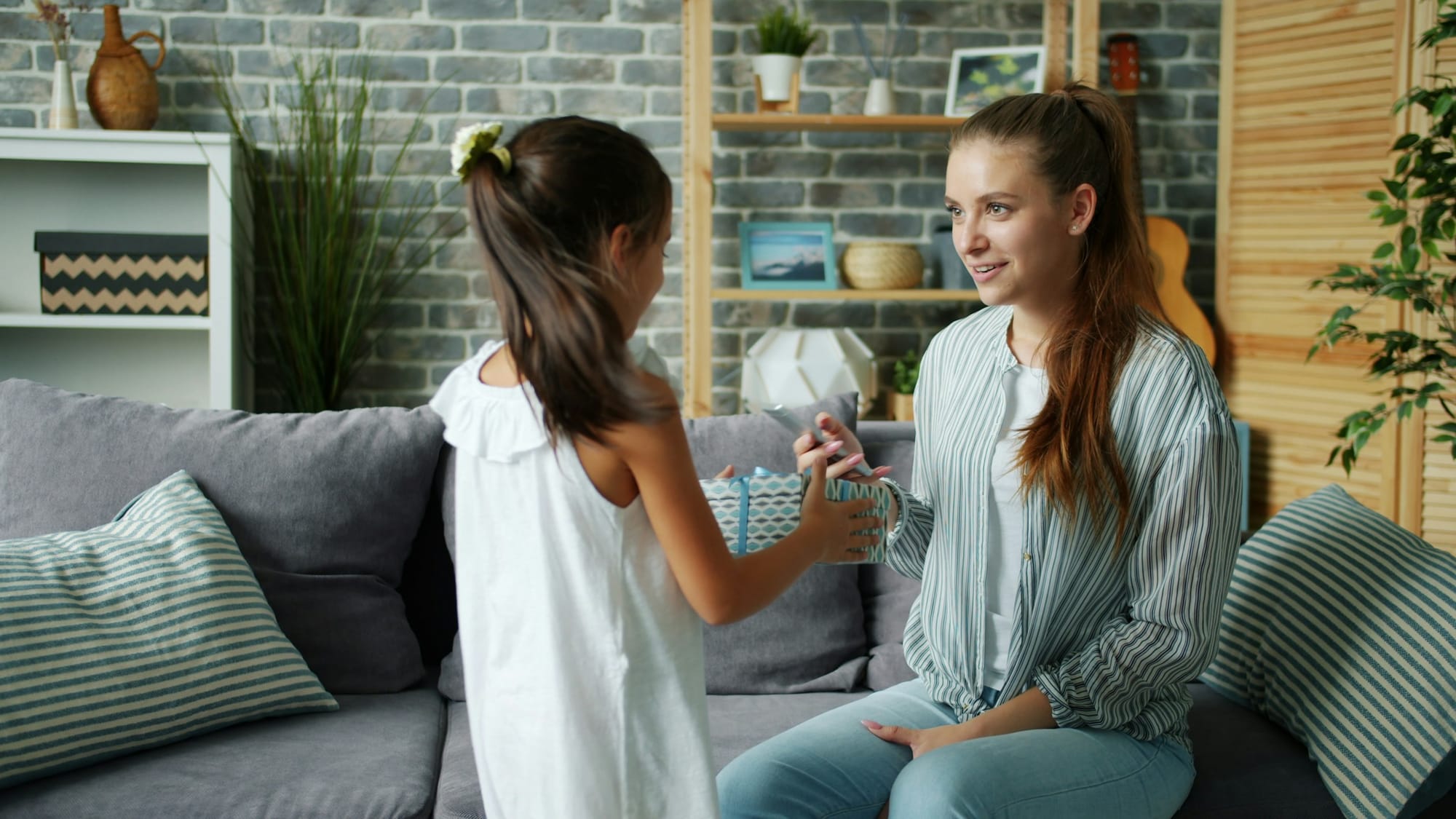
Communication is one of the most important tools parents have for building strong relationships with their children. Through everyday conversations, children learn how to express themselves, solve problems, understand emotions, and connect with others.
While communication may seem straightforward, meaningful conversations often require patience, listening, and understanding. The way parents respond to questions, concerns, mistakes, and emotions can influence how children view themselves and their relationships.
Positive communication creates an environment where children feel heard, respected, and supported.
Why Positive Communication Matters
Strong communication helps build trust between parents and children.
When children feel comfortable sharing their thoughts and feelings, they are more likely to:
- Express emotions openly
- Ask for help when needed
- Develop confidence
- Strengthen problem-solving skills
- Build healthy relationships
Positive communication also helps reduce misunderstandings and encourages cooperation.
Listen With Full Attention
One of the most powerful communication skills is listening.
Children often feel valued when parents:
- Make eye contact
- Put away distractions
- Show interest
- Avoid interrupting
Even short conversations can have a meaningful impact when children feel genuinely heard.
Listening communicates respect and helps strengthen trust.
Validate Feelings
Children want to know that their emotions matter.
Validation does not mean agreeing with every reaction. It means acknowledging what a child is experiencing.
For example:
Instead of saying:
"You're overreacting."
Try:
"I can see that you're upset about what happened."
Validation helps children feel understood and encourages emotional awareness.
Use Clear and Simple Language
Children often respond best to communication that is direct and easy to understand.
When giving instructions:
- Keep messages short
- Be specific
- Use age-appropriate language
For example:
Instead of:
"Can you be more responsible?"
Try:
"Please put your shoes by the door."
Clear communication reduces confusion and increases cooperation.
Encourage Two-Way Conversations
Communication should not be limited to instructions and reminders.
Children benefit from opportunities to share their thoughts and ideas.
Open-ended questions can encourage conversation:
- What was the best part of your day?
- What made you laugh today?
- What are you excited about this week?
- How did that make you feel?
These questions invite children to express themselves more fully.
Focus on Connection Before Correction
When children make mistakes, parents may feel tempted to immediately correct behavior.
However, establishing connection first can make guidance more effective.
Consider:
- Listening before responding
- Understanding the situation
- Acknowledging feelings
- Discussing solutions together
Children are often more receptive when they feel understood.
Model Respectful Communication
Children learn communication skills by observing adults.
Parents can model positive communication through:
- Respectful language
- Calm responses
- Active listening
- Empathy
- Problem-solving
These examples teach children how to communicate effectively in their own relationships.
Avoid Labels
Labels can influence how children see themselves.
Instead of saying:
"You're careless."
Focus on the behavior:
"Let's think about how we can remember this next time."
This approach encourages growth while preserving self-confidence.
Create Daily Opportunities for Conversation
Meaningful communication often happens during everyday moments.
Examples include:
- Mealtimes
- Bedtime routines
- Car rides
- Walks together
- Shared activities
These situations provide natural opportunities for connection and discussion.
Encourage Problem-Solving Discussions
Children develop confidence when they participate in finding solutions.
Helpful questions include:
- What happened?
- What do you think caused the problem?
- What could we try next time?
- How can I help?
These conversations support critical thinking and responsibility.
Be Patient During Difficult Conversations
Some discussions may involve strong emotions or challenging topics.
Remaining calm and patient helps children feel safe expressing themselves.
A supportive approach encourages honesty and strengthens trust over time.
Building Stronger Relationships Through Communication
Positive communication is not about saying the perfect thing every time.
It is about creating an environment where children feel respected, valued, and understood.
Small everyday interactions often have the greatest impact on long-term relationships.
Related Reading
- Strengthening Family Connections Through Daily Rituals
- Building Confidence in Young Children
- Teaching Empathy Through Everyday Experiences
Conclusion
Positive communication helps children develop confidence, emotional awareness, and healthy relationships.
By listening attentively, validating feelings, encouraging conversation, and modeling respectful communication, parents can strengthen connections with their children and create a foundation of trust that supports growth throughout childhood.
Meaningful communication begins with simple moments of listening, understanding, and connection.

About Jessica Reynolds
Jessica focuses on family relationships, emotional resilience, communication, and everyday parenting challenges faced by modern families.
Related Articles
View Directory →