Teaching Empathy Through Everyday Experiences
Empathy helps children understand others, build strong relationships, and navigate social situations with kindness. Discover practical ways to nurture empathy in everyday life.
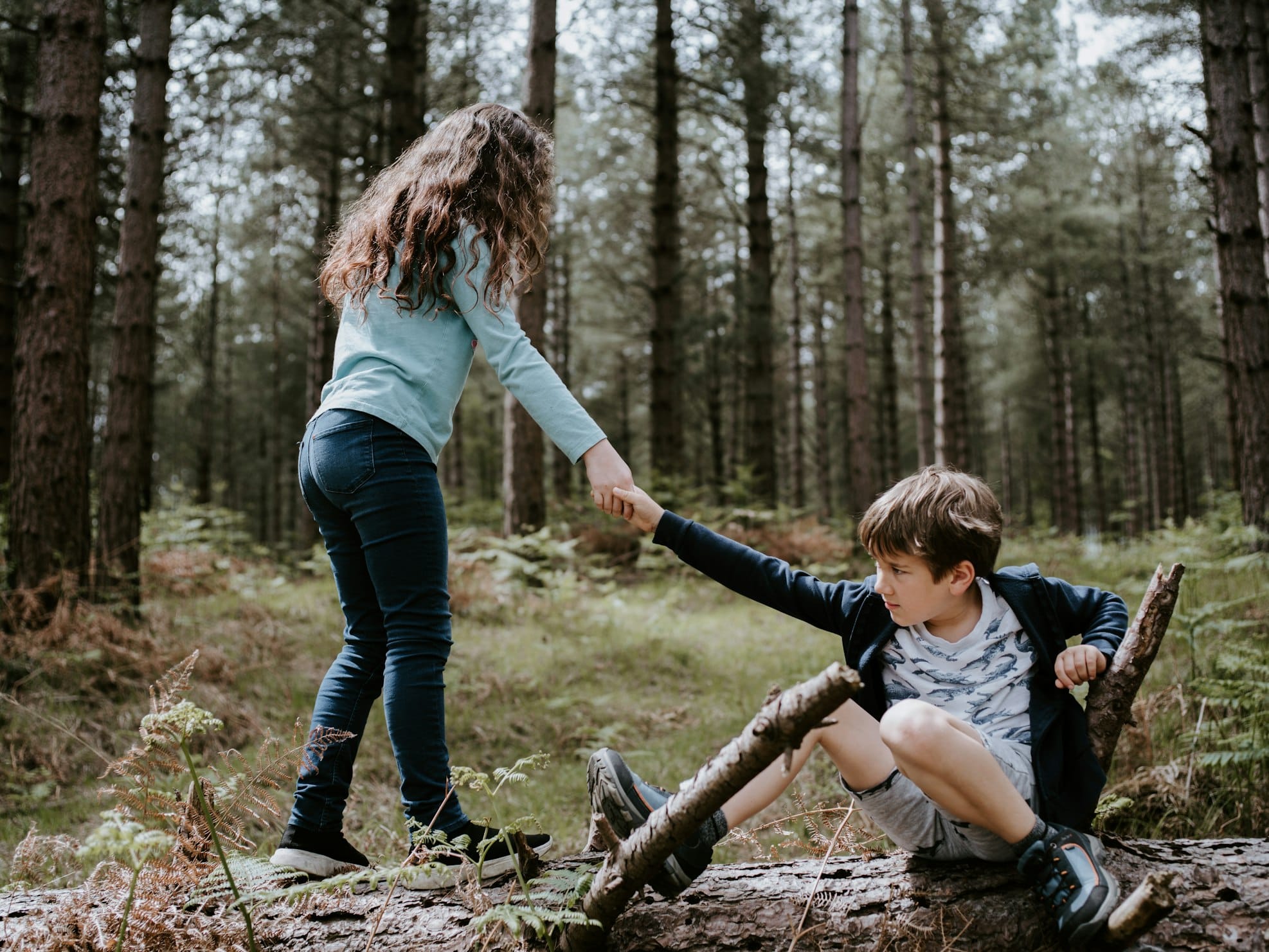
Empathy is one of the most valuable social and emotional skills children can develop. It helps them recognize and understand the feelings of others, respond with kindness, and build meaningful relationships.
Children are not born with a complete understanding of empathy. Like many life skills, empathy develops gradually through observation, guidance, practice, and everyday experiences.
The encouraging news for parents is that opportunities to teach empathy happen naturally throughout daily life. Simple conversations, shared experiences, and thoughtful interactions can all help children develop a deeper understanding of others.
What Is Empathy?
Empathy is the ability to recognize, understand, and respond to another person's feelings and experiences.
Empathetic children often learn to:
- Consider other perspectives
- Recognize emotions
- Show kindness
- Offer support
- Build positive relationships
- Resolve conflicts more effectively
Empathy helps children navigate social situations with greater understanding and compassion.
Why Empathy Matters
Empathy supports many areas of childhood development.
Children who develop empathy often become better able to:
- Form friendships
- Communicate effectively
- Work cooperatively
- Resolve disagreements
- Show respect for others
These skills contribute to healthy relationships both during childhood and later in life.
Children Learn Through Observation
One of the most powerful ways children learn empathy is by watching adults.
Parents can model empathy by:
- Listening attentively
- Showing kindness
- Acknowledging feelings
- Helping others
- Responding respectfully during disagreements
Children often imitate the behaviors they see regularly.
When empathy is demonstrated consistently, children begin to understand how it can be practiced in everyday situations.
Talk About Feelings
Helping children identify emotions is an important step toward developing empathy.
Everyday conversations can include questions such as:
- How do you think they felt?
- What might have made them feel that way?
- What could help them feel better?
These discussions encourage children to consider perspectives beyond their own experiences.
Use Stories as Learning Opportunities
Books provide valuable opportunities to explore emotions and relationships.
While reading together, consider discussing:
- How characters feel
- Why characters make certain choices
- Different perspectives within the story
- Possible solutions to challenges
Stories help children explore emotions in a safe and engaging way.
Encourage Perspective-Taking
Perspective-taking helps children understand that people may think, feel, and experience situations differently.
Simple questions can encourage this skill:
- What do you think your friend was feeling?
- How would you feel in that situation?
- What might someone else think about this?
These conversations strengthen emotional awareness and social understanding.
Recognize Acts of Kindness
Children benefit when kindness is noticed and encouraged.
Examples might include:
- Sharing with others
- Offering help
- Including someone in a game
- Showing patience
- Using encouraging words
Acknowledging these actions reinforces positive social behaviors.
Practice Empathy During Everyday Situations
Many opportunities to teach empathy occur naturally.
Examples include:
- Seeing someone upset
- Watching a disagreement between siblings
- Helping a family member
- Caring for a pet
- Supporting a friend
Rather than providing all the answers, invite children to reflect on how others may feel and what actions might be helpful.
Encourage Helping Behaviors
Helping others allows children to practice empathy through action.
Age-appropriate examples include:
- Assisting with household tasks
- Helping younger siblings
- Supporting classmates
- Participating in community projects
These experiences help children understand the positive impact of kindness and cooperation.
Respect Children's Feelings
Children often learn empathy when they experience empathy themselves.
When parents acknowledge emotions with understanding and respect, children learn how supportive responses feel.
For example:
"I can see that you're disappointed. That must feel difficult."
These moments help children develop emotional awareness while strengthening trust.
Avoid Forcing Empathy
Empathy develops gradually.
Rather than demanding certain responses, focus on creating opportunities for discussion, reflection, and practice.
Patience allows children to build genuine understanding over time.
Building a More Compassionate Mindset
Empathy grows through consistent experiences, conversations, and examples.
Small daily interactions often have a greater impact than formal lessons.
When kindness, respect, and understanding become part of everyday family life, children naturally begin developing these qualities themselves.
Related Reading
- Positive Communication Techniques for Parents
- Building Confidence in Young Children
- Helping Children Navigate Friendships
Conclusion
Empathy helps children build strong relationships, understand emotions, and respond to others with kindness and respect.
By modeling empathy, encouraging perspective-taking, discussing feelings, and creating opportunities for helping behaviors, parents can support the development of this important life skill.
The lessons children learn about empathy today can positively influence their relationships and interactions for years to come.

About Jessica Reynolds
Jessica focuses on family relationships, emotional resilience, communication, and everyday parenting challenges faced by modern families.
Related Articles
View Directory →