Helping Children Navigate Friendships
Friendships play an important role in childhood development. Learn how parents can support children as they build social skills, manage conflicts, and develop healthy relationships.
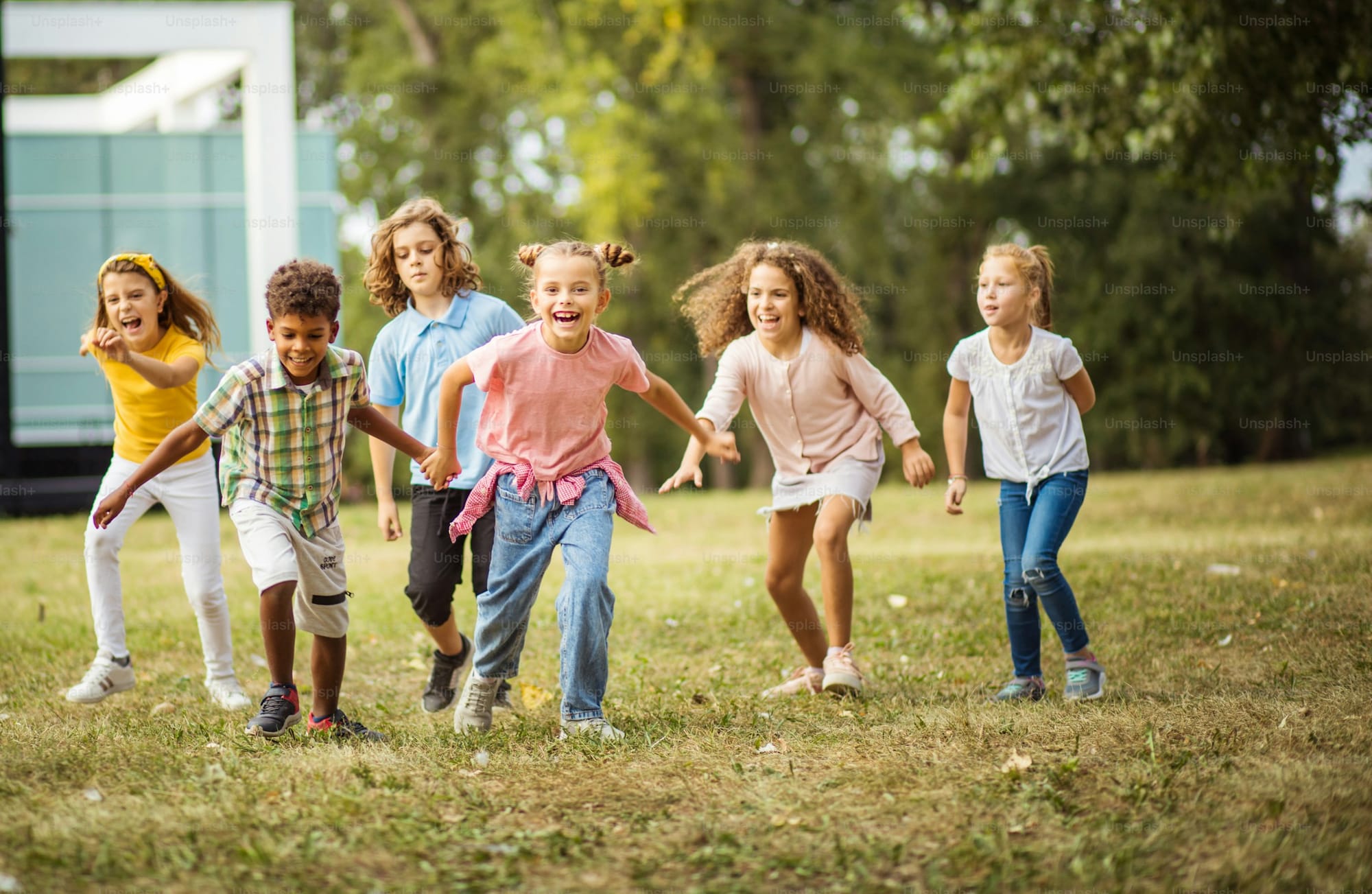
Friendships are an important part of childhood. Through relationships with peers, children learn how to communicate, cooperate, resolve disagreements, and understand different perspectives. These experiences contribute to emotional growth, social development, and a sense of belonging.
While friendships can bring joy and connection, they can also present challenges. Disagreements, misunderstandings, and changing social dynamics are a normal part of growing up. As children learn to navigate these experiences, supportive guidance from parents can make a meaningful difference.
Helping children develop healthy friendship skills is not about solving every problem for them. Instead, it involves providing encouragement, perspective, and opportunities to learn from social experiences.
Why Friendships Matter
Friendships contribute to many aspects of childhood development.
Positive friendships can help children:
- Develop communication skills
- Build confidence
- Practice empathy
- Learn cooperation
- Feel connected and supported
- Explore their interests
These relationships provide opportunities for children to grow socially and emotionally.
Understanding Social Development
Children's friendships change as they grow.
Younger children often form friendships based on shared activities and proximity.
As children get older, friendships may become more influenced by:
- Shared interests
- Trust
- Communication
- Emotional connection
Understanding these developmental changes can help parents maintain realistic expectations.
Encourage Strong Communication Skills
Good friendships rely on effective communication.
Parents can support communication skills by encouraging children to:
- Express their thoughts respectfully
- Listen to others
- Ask questions
- Share feelings appropriately
Everyday family conversations provide valuable opportunities to practice these skills.
Teach the Importance of Kindness
Kindness is a foundation of healthy relationships.
Simple behaviors such as:
- Including others
- Sharing
- Offering encouragement
- Showing respect
can help children build positive connections with peers.
Recognizing and discussing acts of kindness reinforces these values.
Support Conflict Resolution
Disagreements are a normal part of friendship.
Rather than immediately solving conflicts, parents can help children think through situations by asking questions such as:
- What happened?
- How do you think your friend felt?
- What could you do next?
- How might you solve the problem together?
These conversations encourage problem-solving and empathy.
Help Children Understand Different Perspectives
Friendships involve understanding that people may think and feel differently.
Encouraging perspective-taking can help children develop stronger social awareness.
Questions such as:
"Why do you think your friend reacted that way?"
can help children consider alternative viewpoints.
This skill often contributes to healthier and more flexible relationships.
Respect Individual Differences
Every child approaches friendships differently.
Some children enjoy large groups, while others prefer one or two close friends.
Rather than focusing on the number of friendships, consider the quality of relationships and whether your child feels comfortable and supported.
Healthy friendships look different for different children.
Encourage Social Opportunities
Friendships often develop through shared experiences.
Opportunities may include:
- School activities
- Sports teams
- Community events
- Clubs
- Creative programs
- Neighborhood play
These settings allow children to practice social skills while connecting with peers who share similar interests.
Help Children Manage Disappointment
Not every friendship develops as expected.
Children may experience situations such as:
- Feeling left out
- Disagreements
- Changes in friendships
- Different interests emerging over time
While these experiences can be difficult, they also provide opportunities to develop resilience and emotional understanding.
Listening with empathy and providing reassurance can help children process these challenges.
Be a Supportive Guide
Parents do not need to manage every aspect of their child's friendships.
Instead, focus on being a trusted source of support.
Helpful approaches include:
- Listening without judgment
- Offering perspective
- Encouraging problem-solving
- Validating emotions
- Providing reassurance
Children often benefit most when they feel understood and supported.
Model Healthy Relationships
Children learn a great deal by observing the relationships around them.
Parents can model healthy friendships through:
- Respectful communication
- Empathy
- Cooperation
- Conflict resolution
- Kindness
These examples provide valuable lessons about how positive relationships function.
Building Friendship Skills for Life
The skills children develop through friendships often extend far beyond childhood.
Communication, empathy, cooperation, and resilience contribute to healthy relationships throughout life.
Every social experience provides opportunities for learning and growth.
Related Reading
- Teaching Empathy Through Everyday Experiences
- Positive Communication Techniques for Parents
- Building Confidence in Young Children
Conclusion
Friendships help children develop important social and emotional skills while providing opportunities for connection and belonging.
By encouraging communication, empathy, kindness, and problem-solving, parents can help children navigate friendships with confidence and understanding.
The goal is not to prevent every challenge but to help children develop the skills needed to build and maintain healthy relationships throughout their lives.

About Jessica Reynolds
Jessica focuses on family relationships, emotional resilience, communication, and everyday parenting challenges faced by modern families.
Related Articles
View Directory →