Family Wellness Habits That Support Growth
Healthy habits developed at home can support children's physical, emotional, and social wellbeing. Discover simple family wellness practices that encourage healthy growth and positive routines.
Children learn many of their daily habits from the environment around them. Family routines, lifestyle choices, and everyday interactions all play an important role in shaping how children approach health and wellbeing.
Wellness is about much more than physical health. It includes emotional wellbeing, healthy relationships, balanced routines, movement, rest, and opportunities for growth. When families focus on small, consistent habits, they create a supportive foundation that benefits everyone in the household.
The good news is that family wellness does not require major lifestyle changes. Often, simple daily practices can have a lasting positive impact.
What Is Family Wellness?
Family wellness refers to habits and routines that support the overall wellbeing of family members.
This includes:
- Physical health
- Emotional wellbeing
- Healthy relationships
- Positive communication
- Balanced daily routines
- Opportunities for learning and growth
When wellness becomes part of everyday life, children develop habits that can benefit them throughout childhood and beyond.
Why Family Habits Matter
Children learn by observing the people around them.
Everyday experiences teach important lessons about:
- Nutrition
- Physical activity
- Sleep
- Stress management
- Communication
- Self-care
Consistent family habits often have a greater influence than occasional lessons or reminders.
When healthy behaviors are modeled regularly, children are more likely to adopt them naturally.
Prioritize Family Meals
Shared meals provide more than nutrition.
They also create opportunities for:
- Conversation
- Connection
- Listening
- Relationship building
Family meals do not need to be elaborate. Even a few shared meals each week can encourage positive communication and strengthen family bonds.
These moments help children feel connected and supported.
Encourage Daily Movement
Physical activity is an important part of healthy growth.
Movement supports:
- Physical development
- Coordination
- Energy levels
- Confidence
- Overall wellbeing
Family-friendly activities might include:
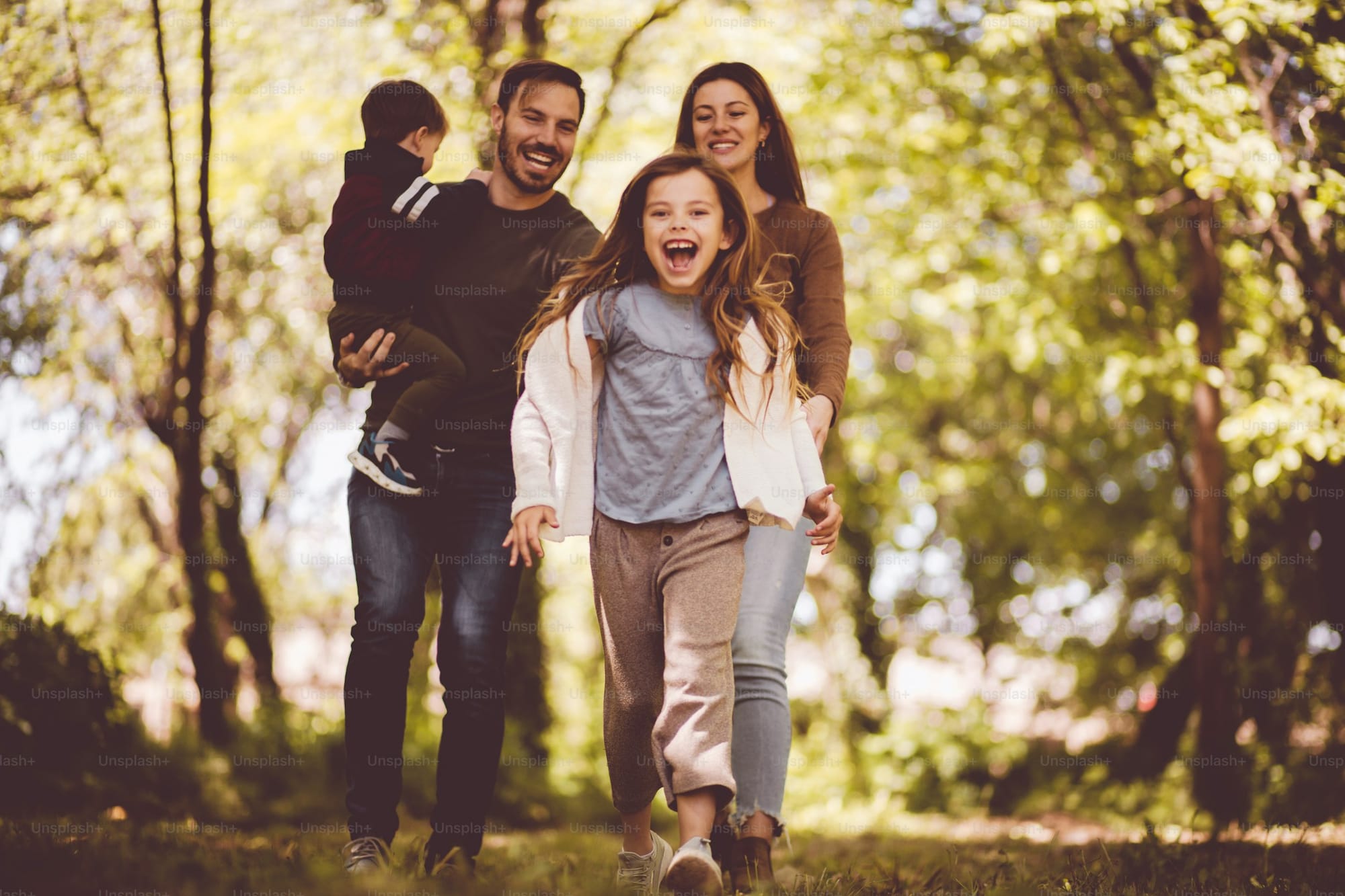
- Walking together
- Bike rides
- Outdoor games
- Dancing
- Nature exploration
The focus should be on enjoyment rather than competition.
Support Healthy Sleep Routines
Rest plays an essential role in children's development.
Consistent sleep routines can support:
- Learning
- Emotional regulation
- Physical growth
- Concentration
- Energy levels
Simple bedtime routines often help children feel secure and prepare for restful sleep.
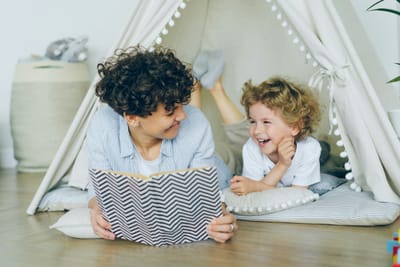
Examples include reading together, quiet conversation, and maintaining consistent bedtimes.
Make Time for Meaningful Conversations
Strong family relationships are built through communication.
Regular conversations help children feel heard, understood, and valued.
Simple ways to encourage connection include:
- Asking about their day
- Sharing family experiences
- Discussing feelings
- Celebrating achievements
- Listening without interruption
These interactions contribute to emotional wellbeing and trust.
Create Opportunities for Outdoor Time
Outdoor experiences provide many benefits for children and families.
Time spent outdoors encourages:
- Physical activity
- Exploration
- Curiosity
- Stress reduction
- Family bonding
Activities can be simple and accessible, such as visiting a local park, walking through nature trails, or spending time in a backyard.
Encourage Balance
Modern life often involves busy schedules and numerous commitments.
Families benefit from balancing:
- School responsibilities
- Physical activity
- Free play
- Family time
- Screen use
- Rest
A balanced routine supports overall wellbeing while reducing unnecessary stress.
Practice Positive Communication
The way family members communicate influences the emotional atmosphere at home.
Positive communication includes:
- Respectful listening
- Empathy
- Encouragement
- Constructive problem-solving
Children learn important social and emotional skills when they observe healthy communication patterns.
Celebrate Small Healthy Choices
Wellness is built through consistent actions rather than perfection.
Recognize everyday efforts such as:
- Trying a new food
- Being physically active
- Helping with family responsibilities
- Practicing kindness
- Following routines
Celebrating progress encourages motivation and confidence.
Build Wellness Into Everyday Life
Family wellness does not need to feel complicated.
Simple habits often have the greatest long-term impact.
Examples include:
- Eating meals together
- Taking evening walks
- Reading before bed
- Spending time outdoors
- Having regular family conversations
These small routines contribute to a positive and supportive family environment.
Creating Lasting Wellness Habits
Children are more likely to maintain healthy habits when those habits feel enjoyable, realistic, and connected to family life.
By focusing on consistency rather than perfection, families can create routines that support wellbeing for years to come.
The goal is not to achieve an ideal lifestyle but to make healthy choices a natural part of everyday living.
Related Reading
- Understanding Balanced Nutrition for Kids
- Creating Healthy Daily Routines for Children
- Strengthening Family Connections Through Daily Rituals
Conclusion
Family wellness grows through everyday choices, routines, and relationships. By prioritizing connection, movement, rest, communication, and balanced habits, families can create an environment that supports healthy growth and overall wellbeing.
Small actions practiced consistently can make a meaningful difference, helping children develop positive habits that benefit them throughout their lives.

About Michael Thompson
Michael covers family wellbeing, healthy routines, nutrition awareness, and positive lifestyle habits that support children's growth and development.
Related Articles
View Directory →