Screen Time and Learning: Finding a Healthy Balance
Digital devices are part of modern childhood, but balance matters. Learn practical ways to support learning while maintaining healthy screen habits for children.
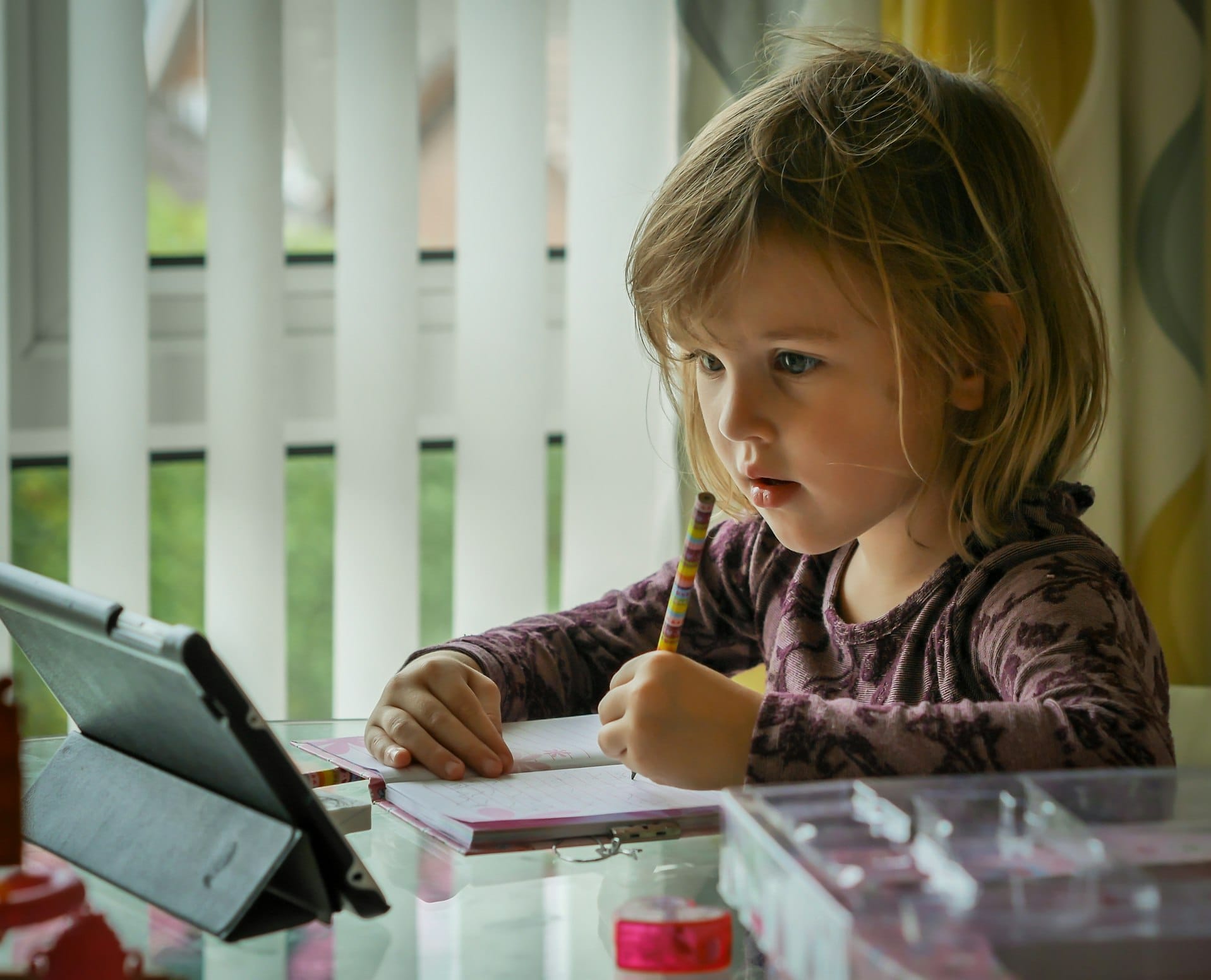
Technology has become a regular part of everyday life. From online learning platforms and educational apps to video calls and digital books, children are growing up in a world where screens are often integrated into learning and communication.
While technology can provide valuable educational opportunities, many parents wonder how to balance screen use with other important childhood experiences such as physical activity, creative play, social interaction, and outdoor exploration.
The goal is not necessarily to eliminate screens but to create healthy habits that allow children to benefit from technology while maintaining a balanced lifestyle.
Understanding Screen Time in Today's World
Screens are used for many different purposes.
Children may use devices to:
- Complete school assignments
- Read digital books
- Watch educational videos
- Communicate with family members
- Explore creative tools
- Play games
- Learn new skills
Because screen activities vary widely, it can be helpful to focus not only on the amount of screen time but also on the quality and purpose of screen use.
The Educational Benefits of Technology
When used thoughtfully, digital tools can support learning.
Educational technology can help children:
- Explore new topics
- Access learning resources
- Practice academic skills
- Develop digital literacy
- Engage with interactive content
Many educational programs encourage active participation rather than passive viewing, helping children apply concepts through games, activities, and creative projects.
Technology can also provide access to learning opportunities that may not otherwise be available.
Why Balance Matters
Although technology offers benefits, children also need experiences that support other areas of development.
Important activities include:
- Physical movement
- Outdoor play
- Face-to-face interactions
- Creative expression
- Reading
- Independent exploration
A balanced routine helps ensure children develop a wide range of skills and experiences.
Encouraging Active Rather Than Passive Use
Not all screen activities are the same.
Active screen use may involve:
- Creating digital art
- Learning coding basics
- Solving educational challenges
- Participating in virtual lessons
- Researching topics of interest
Passive use often involves simply watching content without interaction.
Whenever possible, encourage activities that promote engagement, creativity, and learning.
Create Technology-Free Moments
Designating screen-free times can help families maintain balance.
Examples might include:
- Family meals
- Bedtime routines
- Outdoor activities
- Family game nights
- Reading time
These moments create opportunities for conversation, connection, and other meaningful experiences.
Support Healthy Sleep Habits
Screens used close to bedtime can sometimes make it more difficult for children to settle into sleep routines.
Creating a calming evening routine that includes activities such as reading, storytelling, or quiet conversation can help children transition more easily toward rest.
Healthy sleep habits support learning, emotional wellbeing, and overall development.
Encourage a Variety of Activities
Children benefit from engaging in a wide range of experiences throughout the day.
A balanced schedule may include:
- Schoolwork
- Physical activity
- Creative play
- Reading
- Family time
- Outdoor exploration
- Educational technology
Providing variety helps children develop different skills while preventing overreliance on any single activity.
Model Healthy Technology Habits
Children often learn habits by observing adults.
Parents can model balance by:
- Being mindful of personal screen use
- Prioritizing face-to-face conversations
- Reading books and magazines
- Participating in outdoor activities
- Setting healthy boundaries around technology
These behaviors demonstrate that screens are one tool among many ways to learn, communicate, and relax.
Talk About Digital Literacy
As children grow, understanding technology becomes increasingly important.
Parents can help children develop digital literacy by discussing:
- Online safety
- Responsible device use
- Evaluating information sources
- Respectful online communication
These conversations prepare children to navigate digital environments thoughtfully and responsibly.
Use Technology Together
Shared technology experiences can create opportunities for learning and discussion.
Examples include:
- Watching educational videos together
- Exploring virtual museum tours
- Learning a new skill online
- Discussing interesting topics discovered through research
Participating together allows parents to guide learning while strengthening family connections.
Focus on Quality Over Quantity
Rather than viewing screen time as entirely positive or negative, consider the overall quality of the experience.
Helpful questions include:
- Is the activity educational or creative?
- Does it encourage participation?
- Is it age-appropriate?
- Is it balanced with other activities?
These considerations can help families make thoughtful decisions about technology use.
Creating a Healthy Relationship With Technology
Technology will continue to play an important role in education and everyday life.
By encouraging balance, setting reasonable boundaries, and prioritizing meaningful experiences both on and off screens, parents can help children develop healthy habits that support learning and wellbeing.
Related Reading
- Building Reading Habits That Last
- The Value of Curiosity in Childhood Learning
- Encouraging Creativity Through Everyday Activities
Conclusion
Technology offers exciting opportunities for learning, creativity, and connection. However, children benefit most when screen use is balanced with physical activity, social interaction, reading, creative play, and time outdoors.
By focusing on quality experiences and maintaining healthy routines, families can create a positive relationship with technology that supports children's growth and development.

About Sarah Mitchell
Sarah specializes in learning, creativity, and modern educational approaches. She enjoys translating educational research into practical ideas parents can apply at home.
Related Articles
View Directory →